

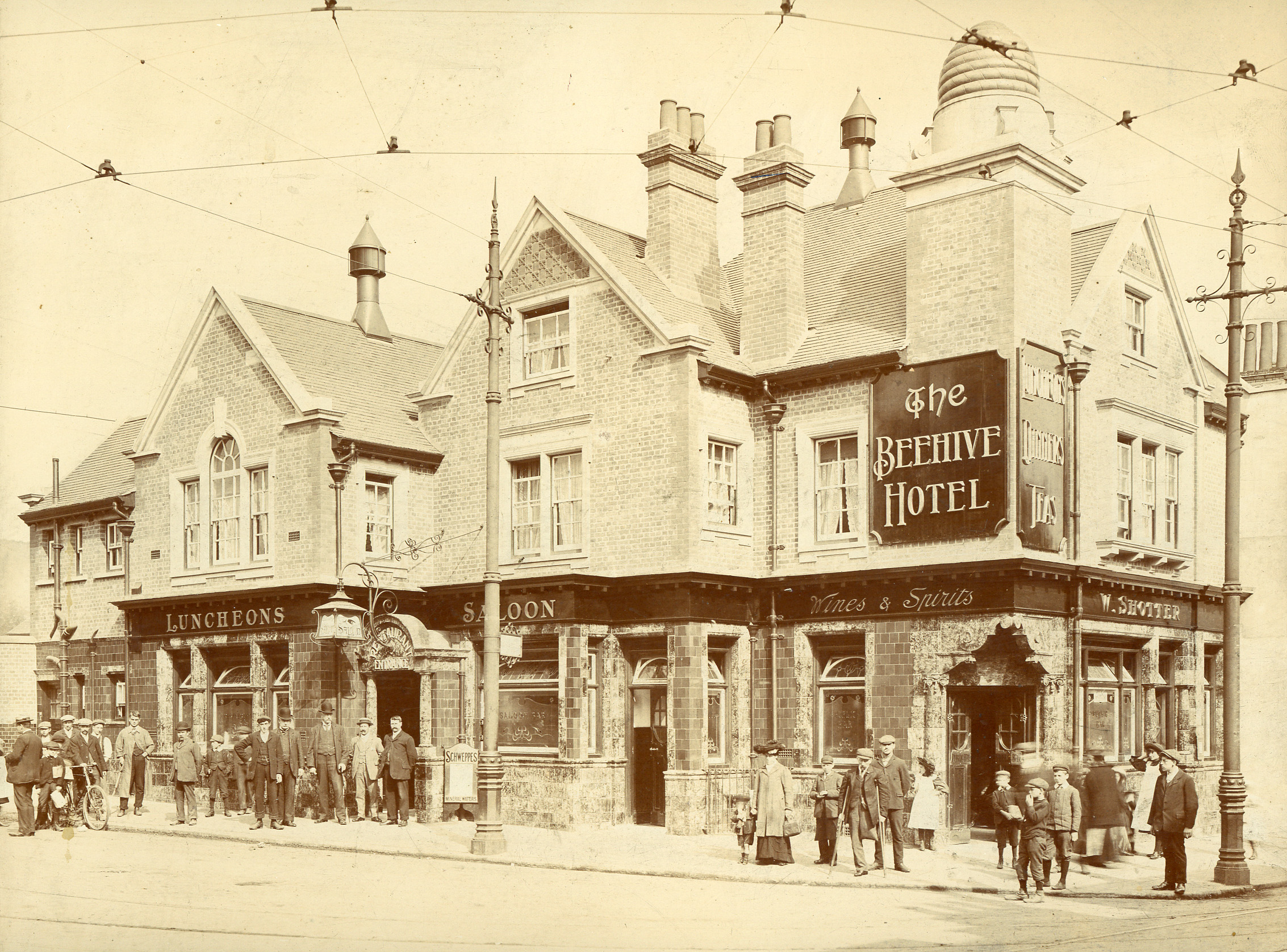
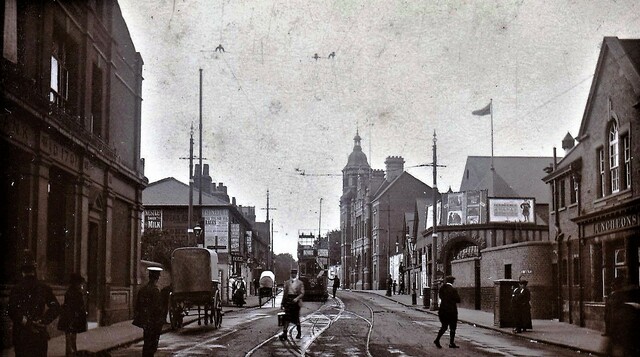
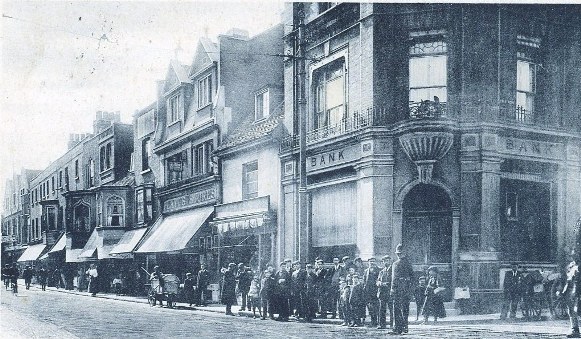
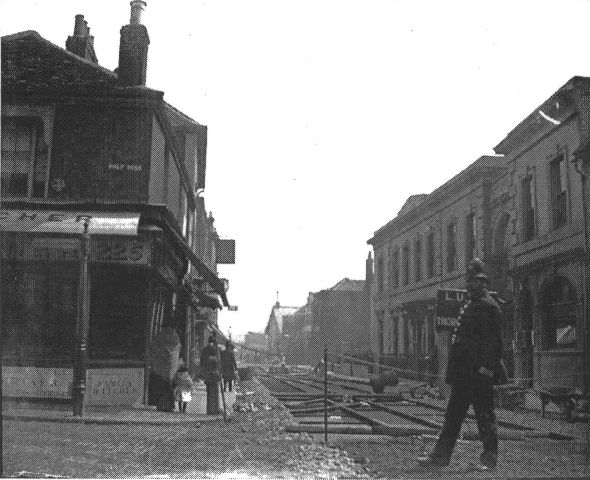
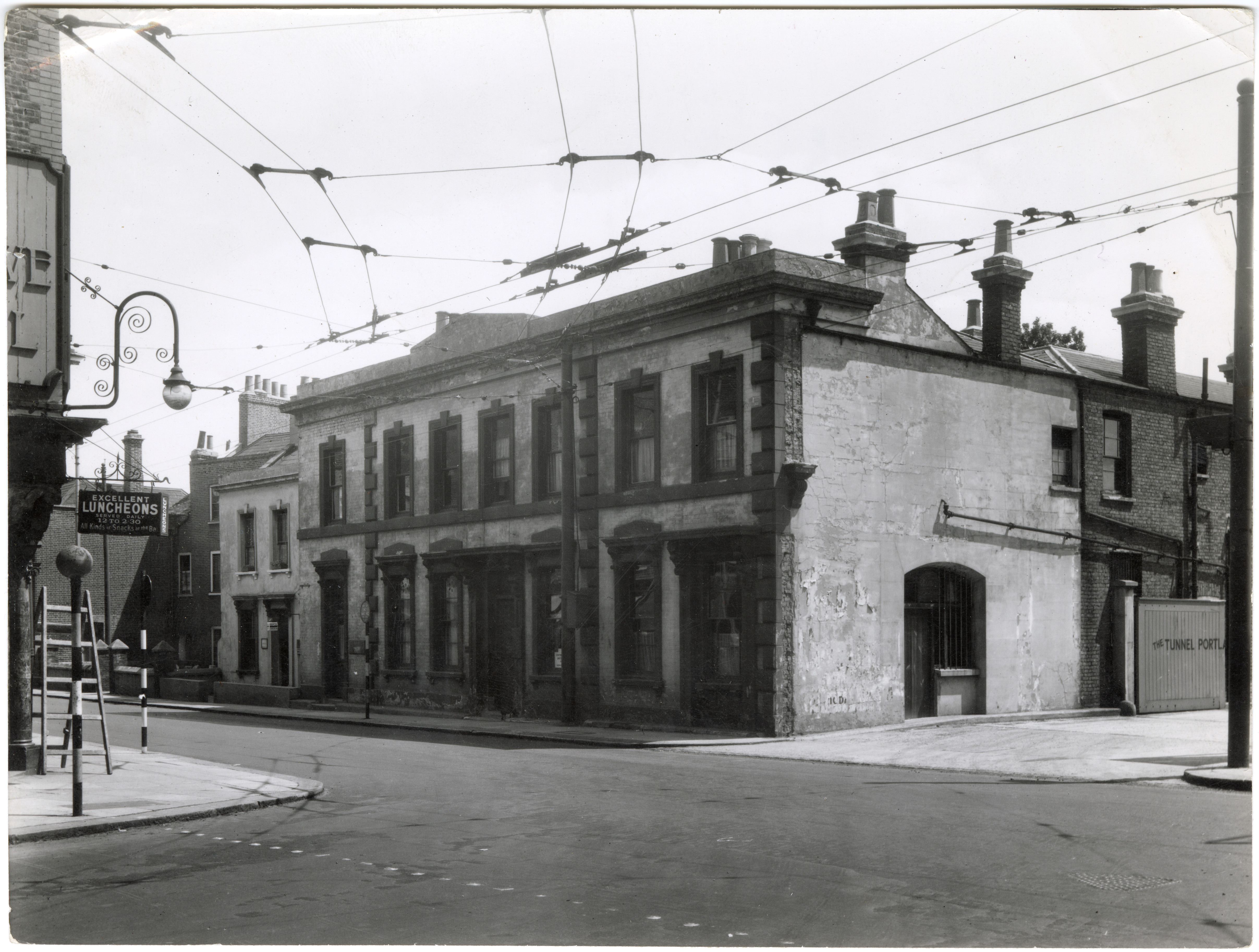
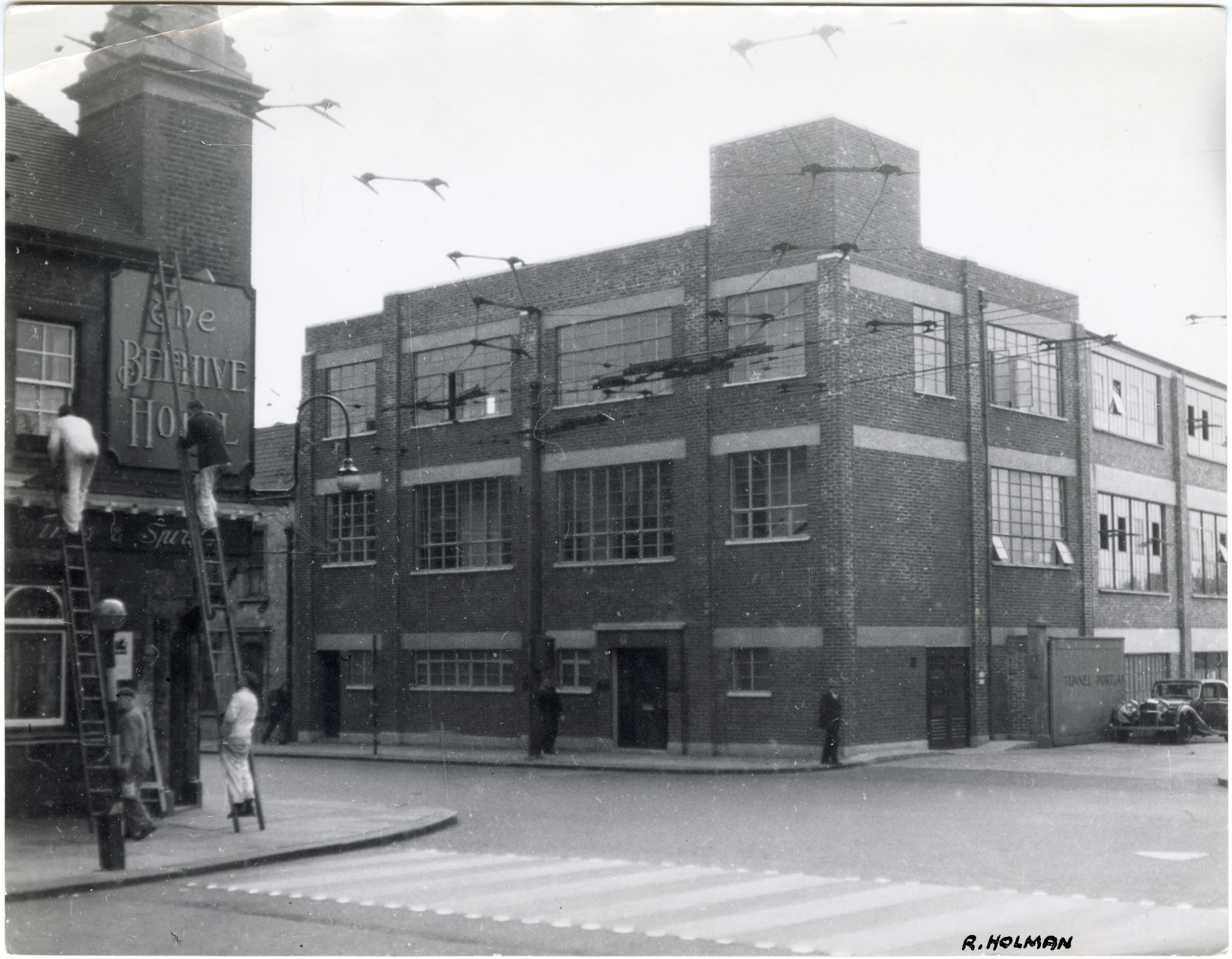
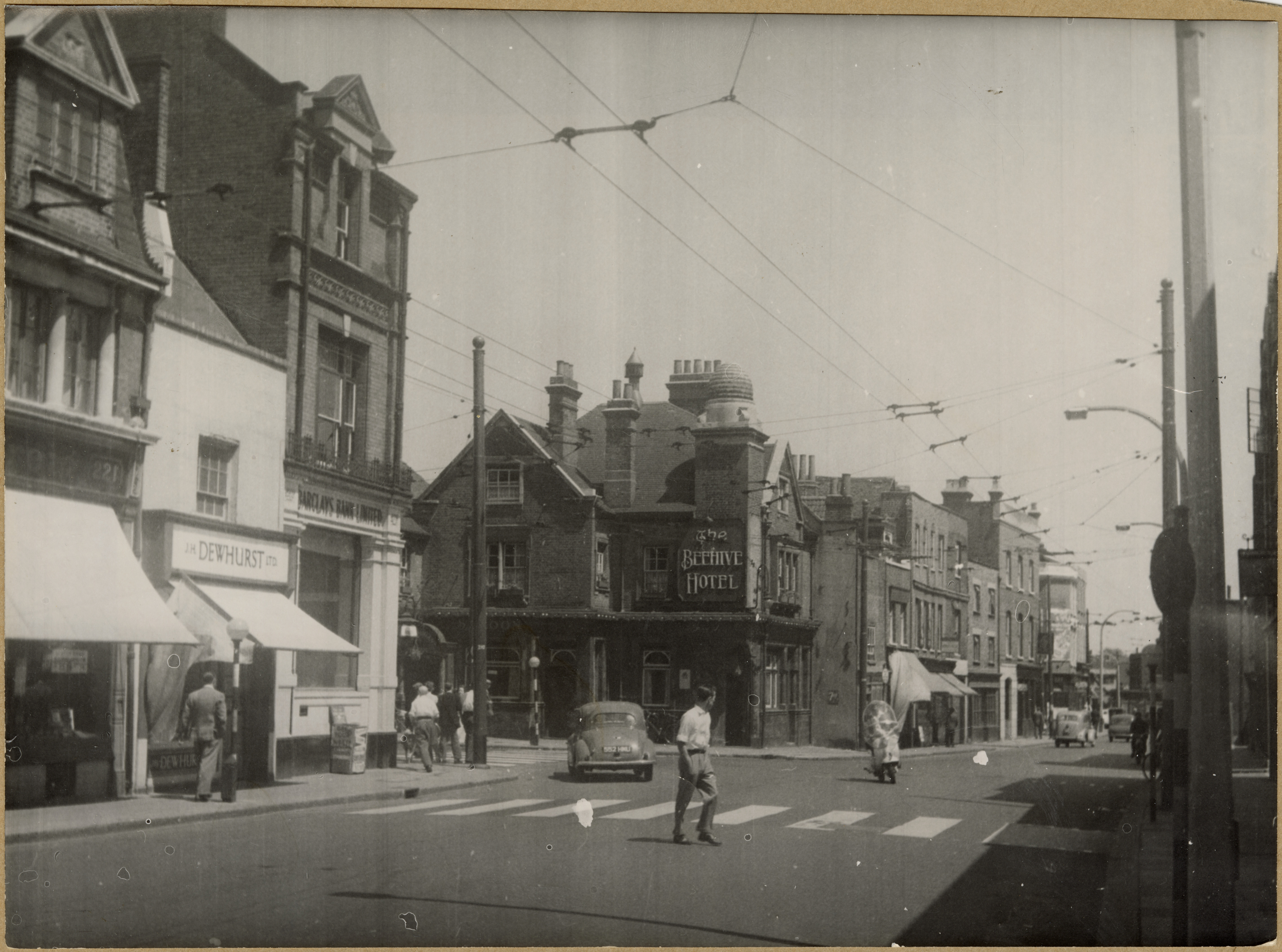
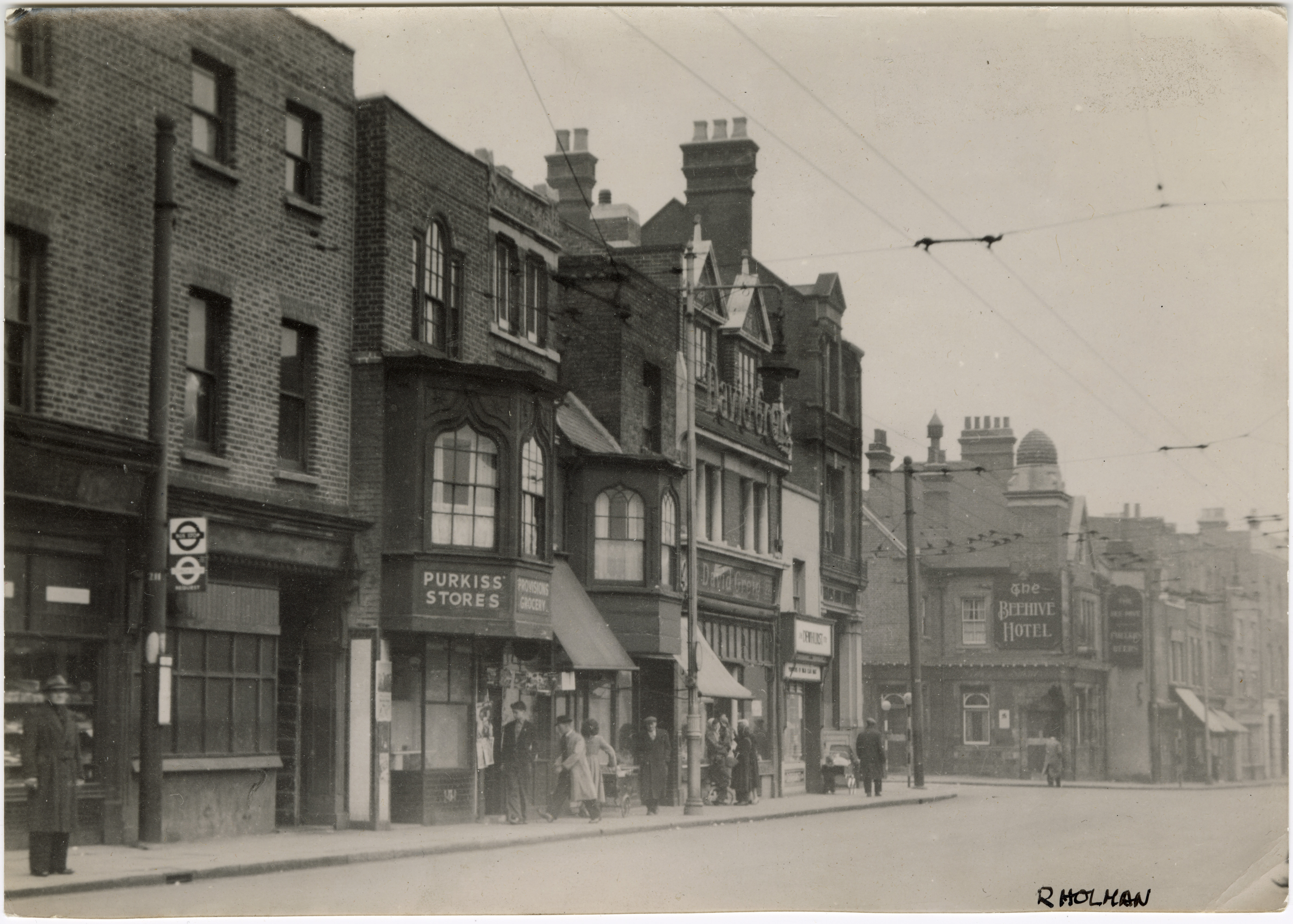
Find your way via Catherine Wheel Road or the high street so that you can see the Beehive Pub. What we see today on the high street is mostly from the 1960s onwards so using the Beehive as a landmark is useful.
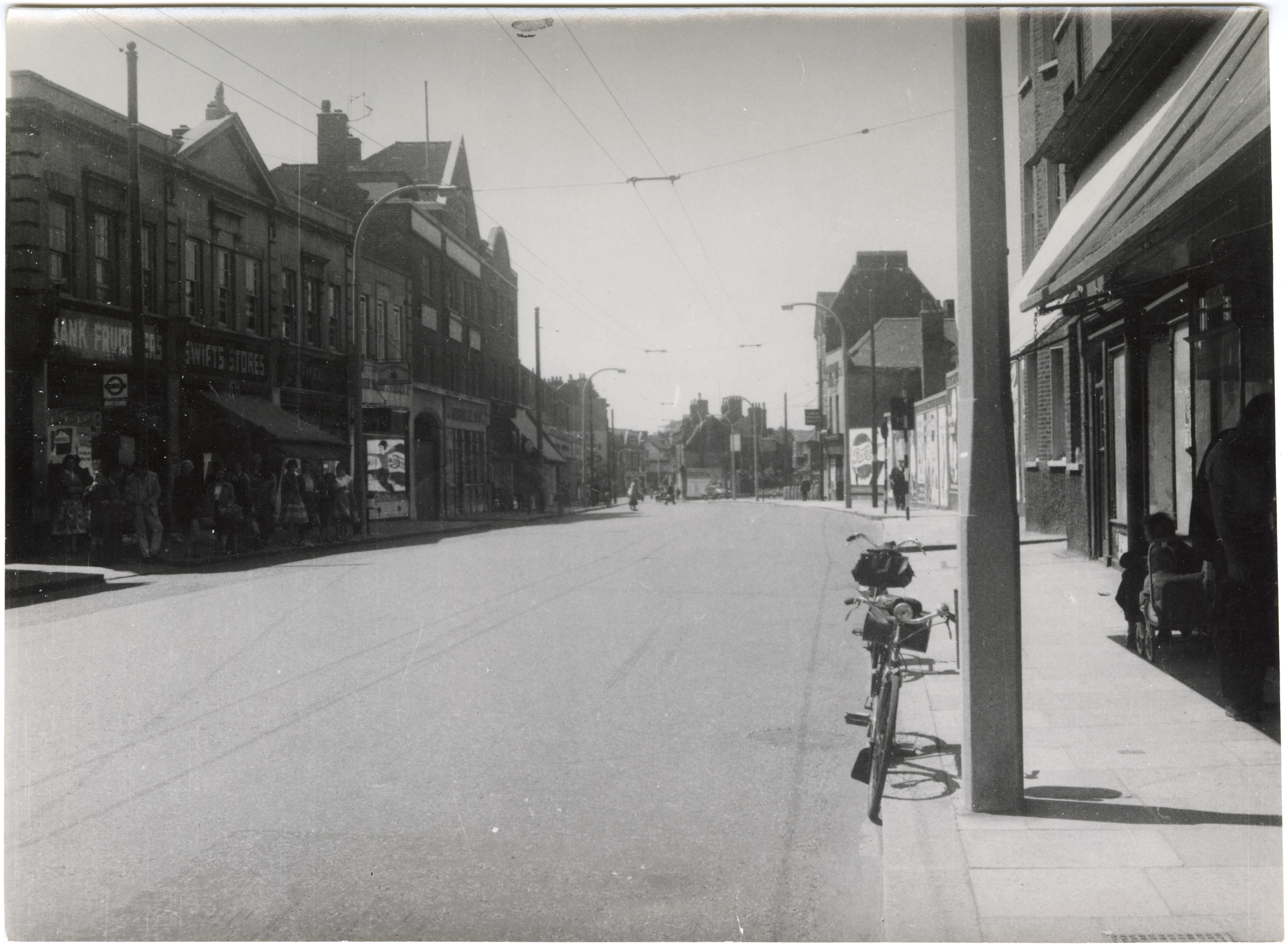
The high street was once one continuous line of buildings. 18th century turnpikes were set up to charge road users so that local people didn’t have to pay or work to maintain the road themselves- as had previously been the case, Brentford was busy - everything from Kings carriages to herds of sheep passed this way.
But the high street was always very narrow- in the 1600s some Brentford residents were not allowed to make the pavement outside their houses any wider than 2 foot- for fear of making the high street even narrower to use.
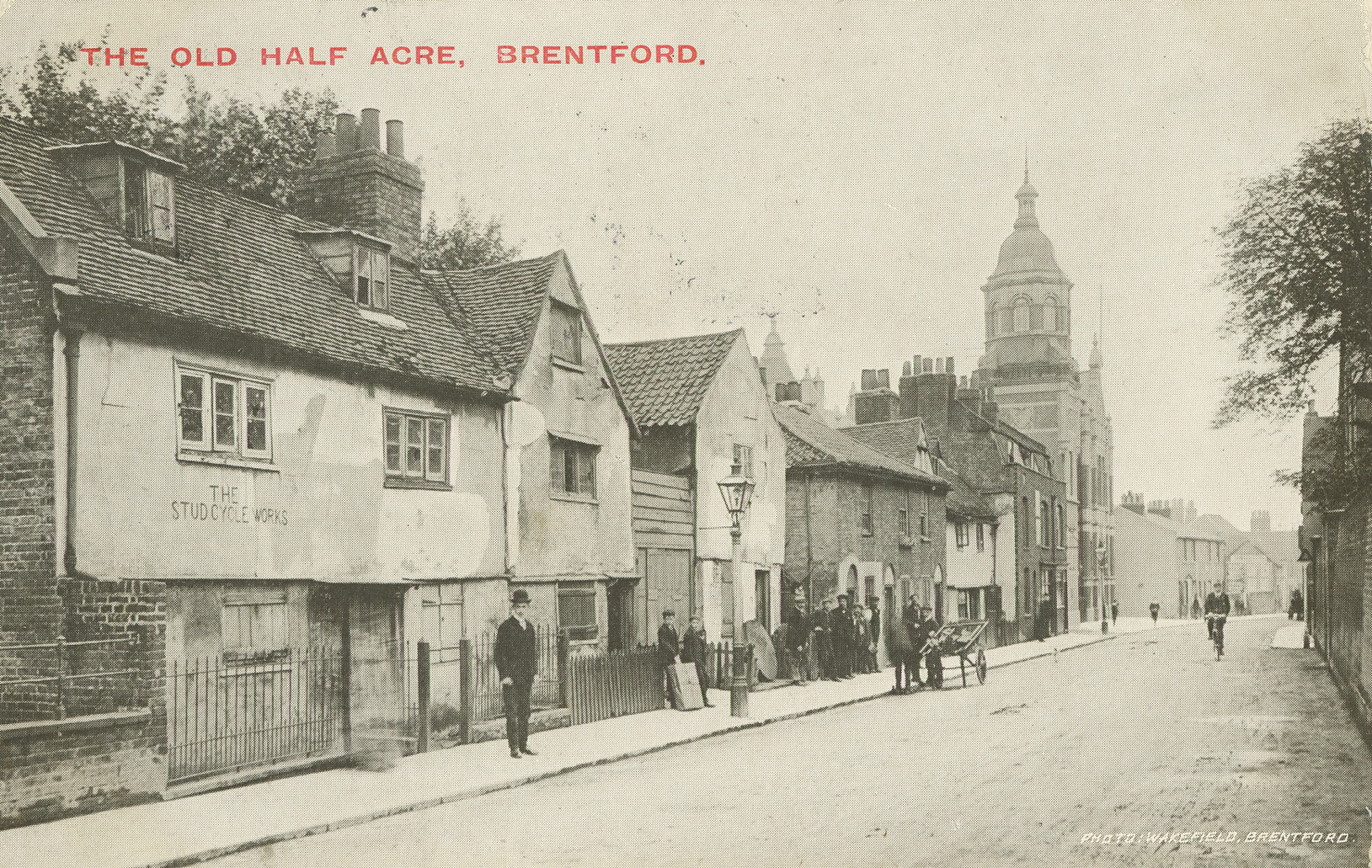
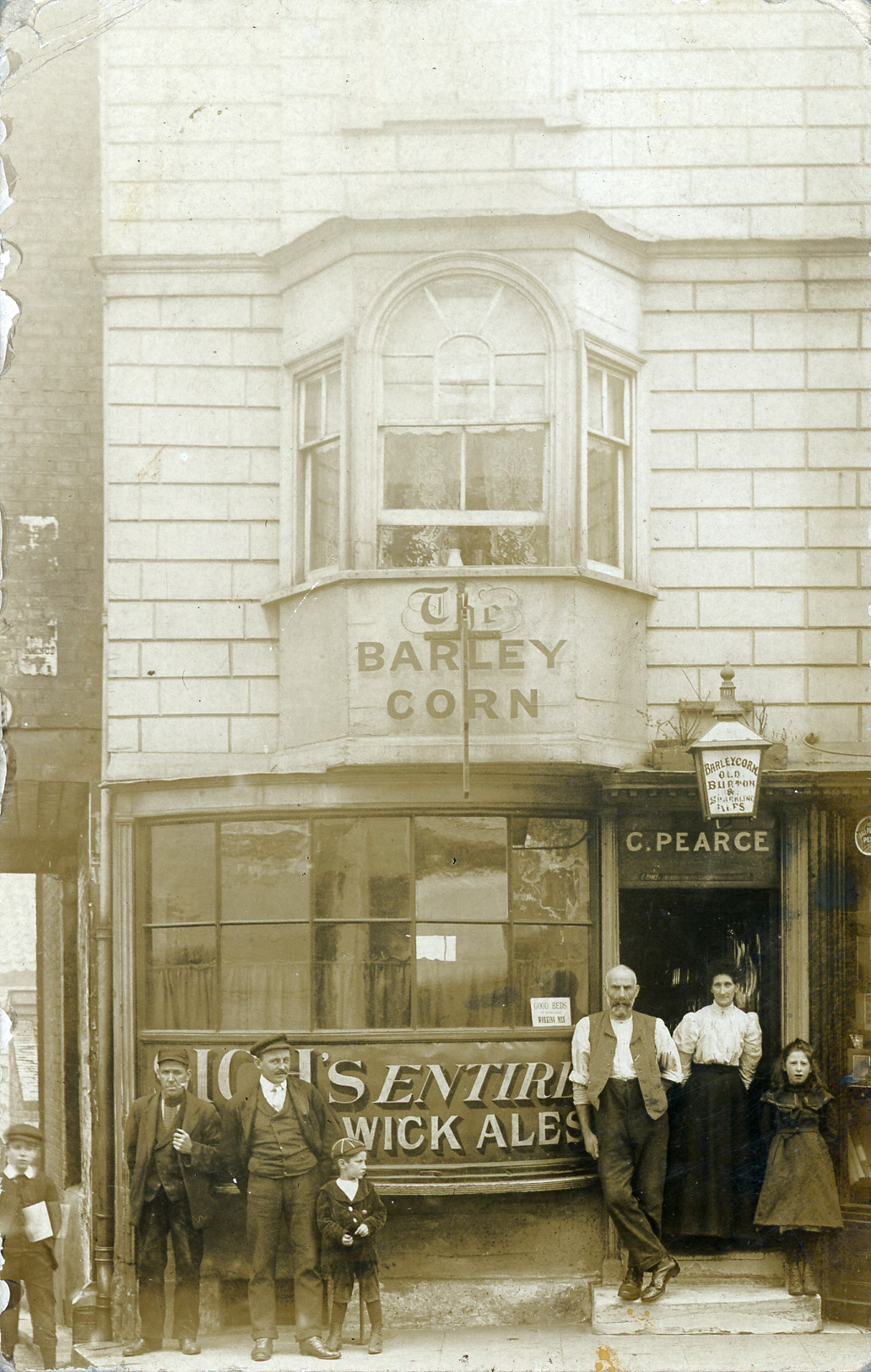
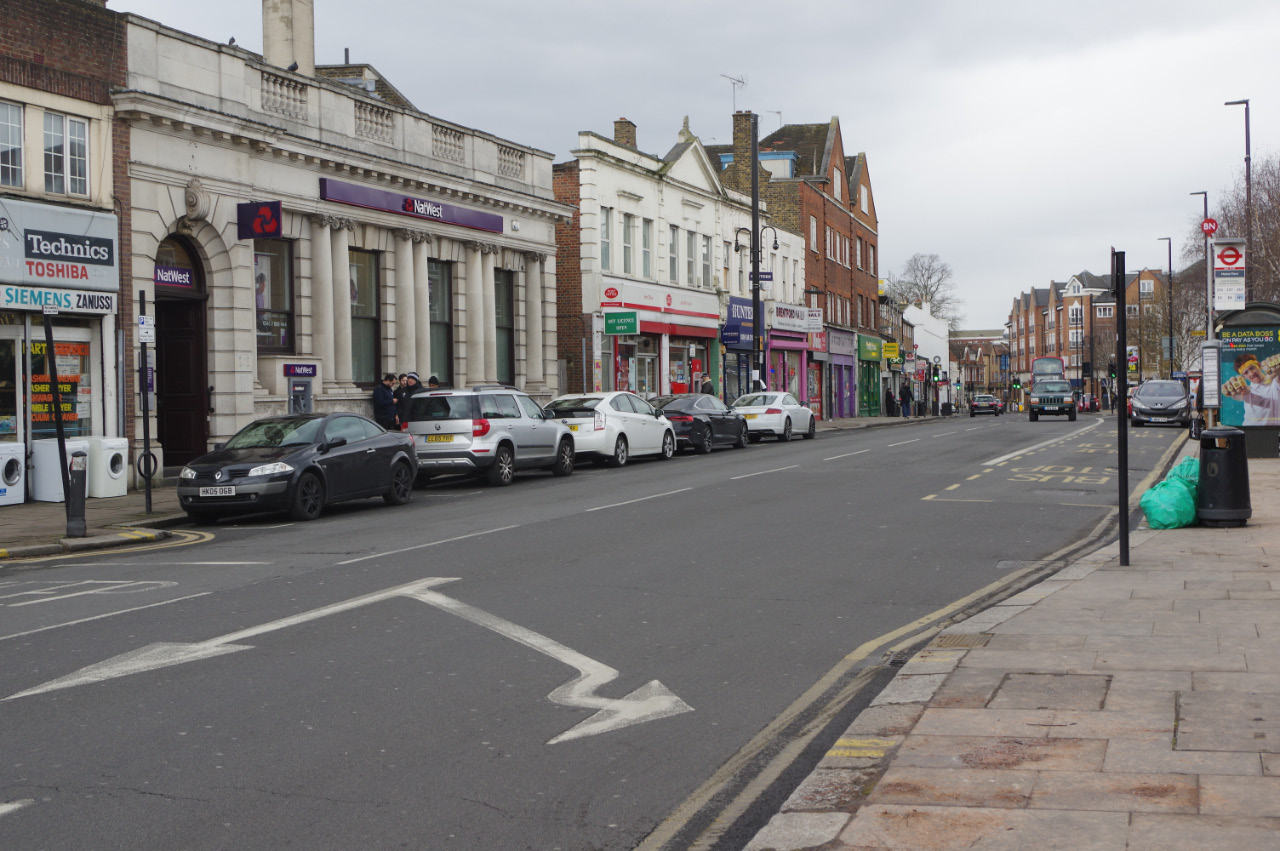
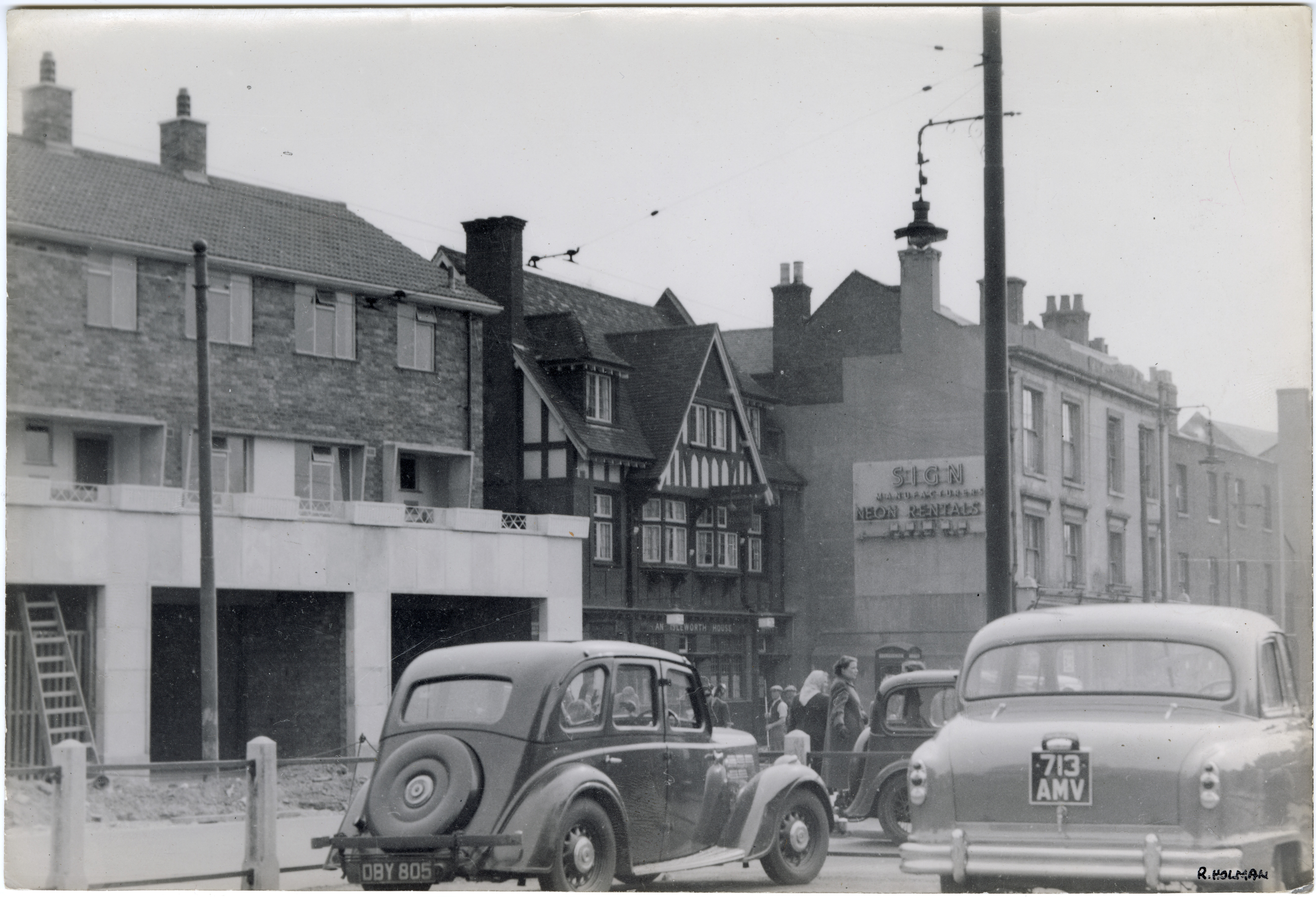
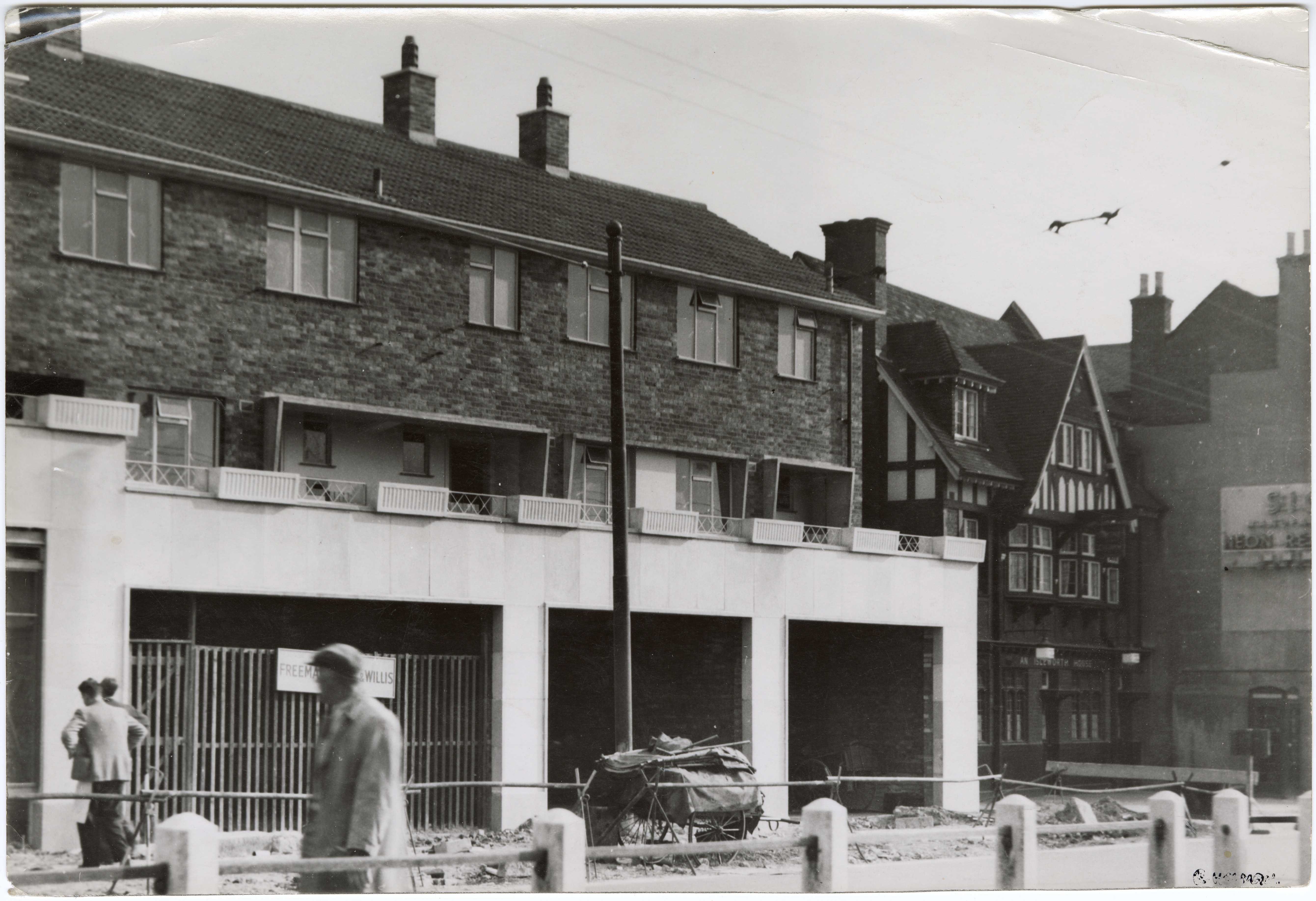
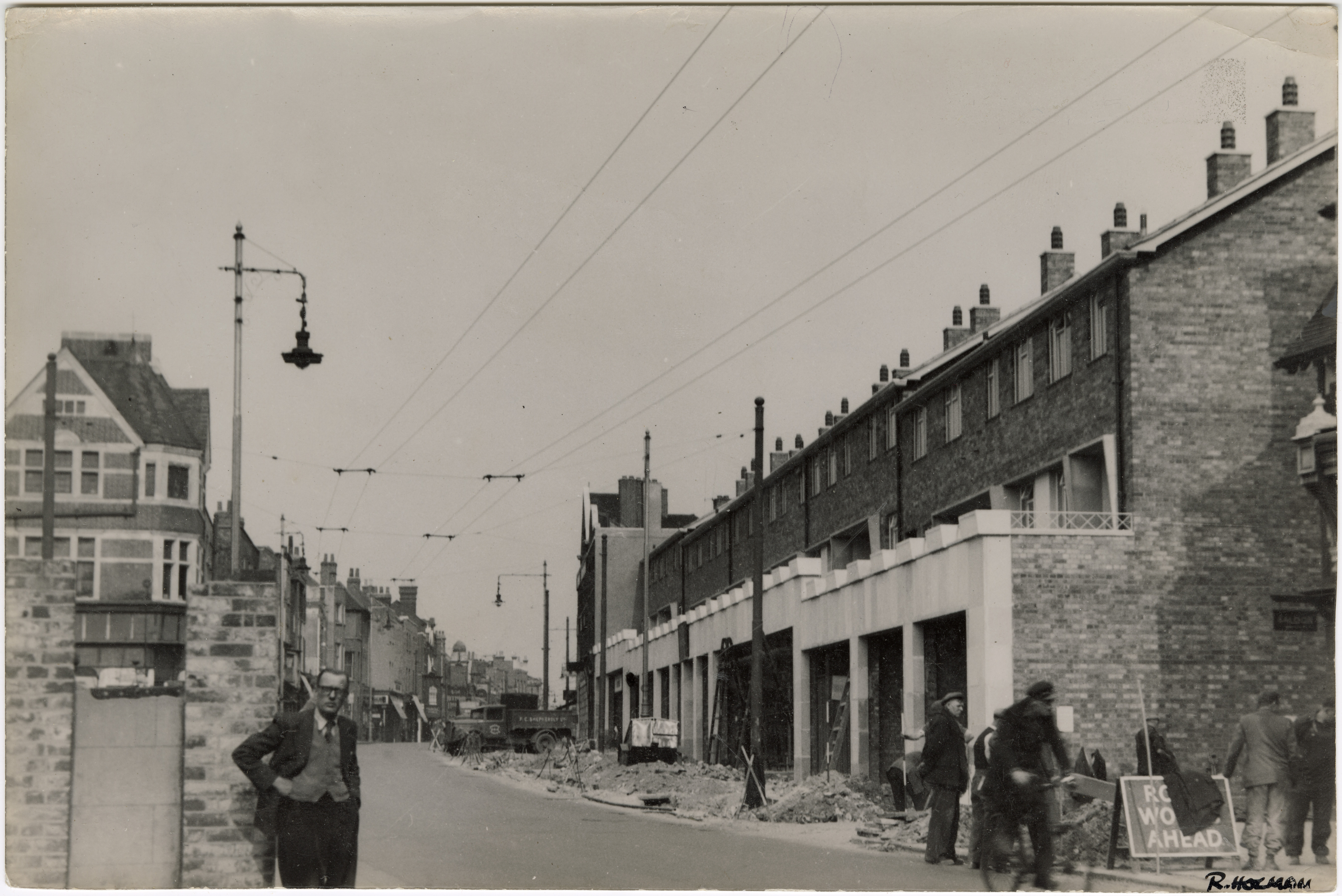
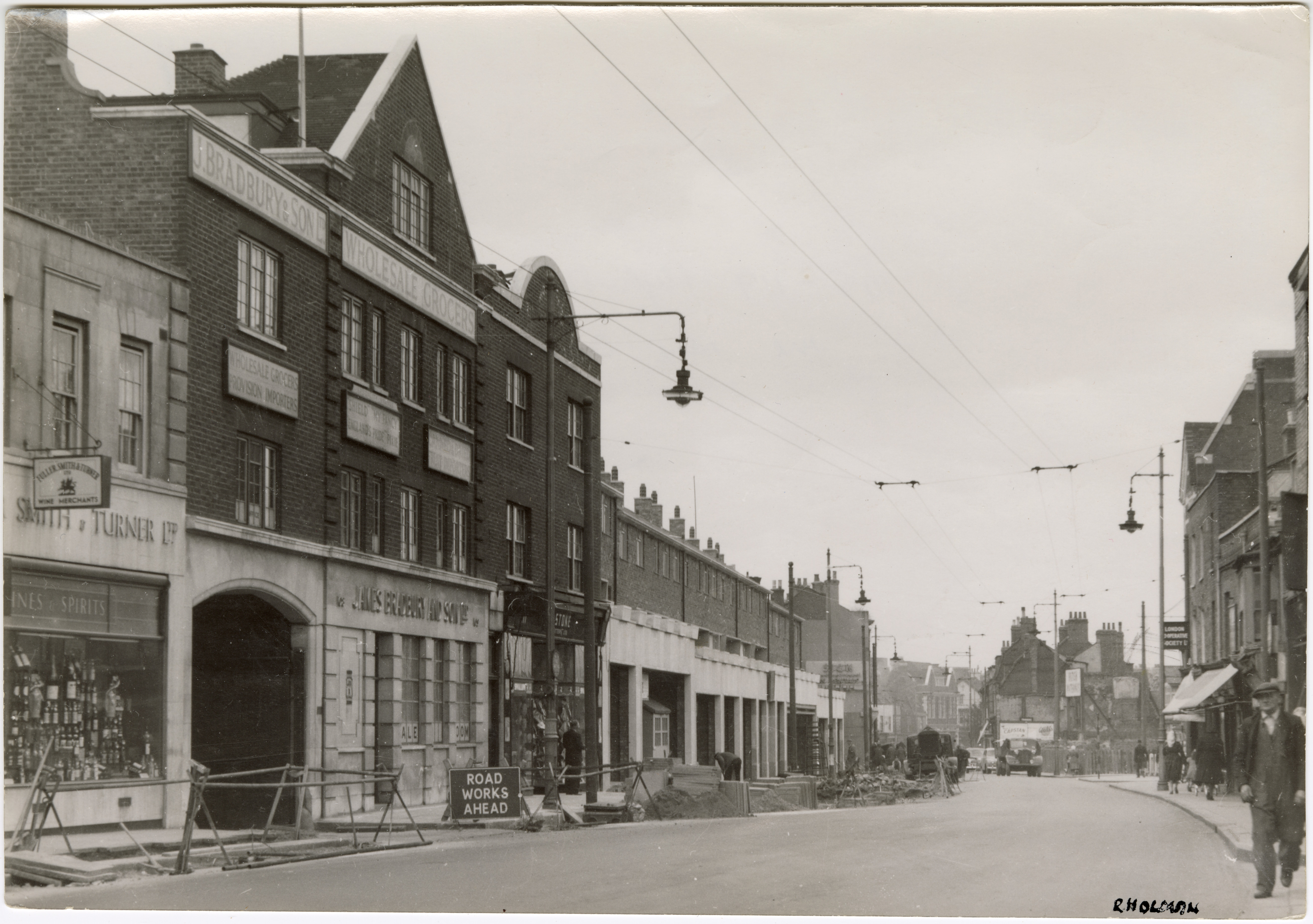
You’ll see in the photographs just how much narrower the high street used to be.
The Beehive is named after the Gomm Family’s Brewery founded in 1840. The original pub, with the brewery behind, was then the third building to the east on the High Street from its junction with Half Acre. It became the corner building when Half Acre was widened in 1908 for trams going to Hanwell. at that time, it was advertised as a suitable place for ladies to lunch.
A newspaper cutting uncovered by local historian Janet McNamara proclaimed:
Newspaper Cutting in praise of the Beehive
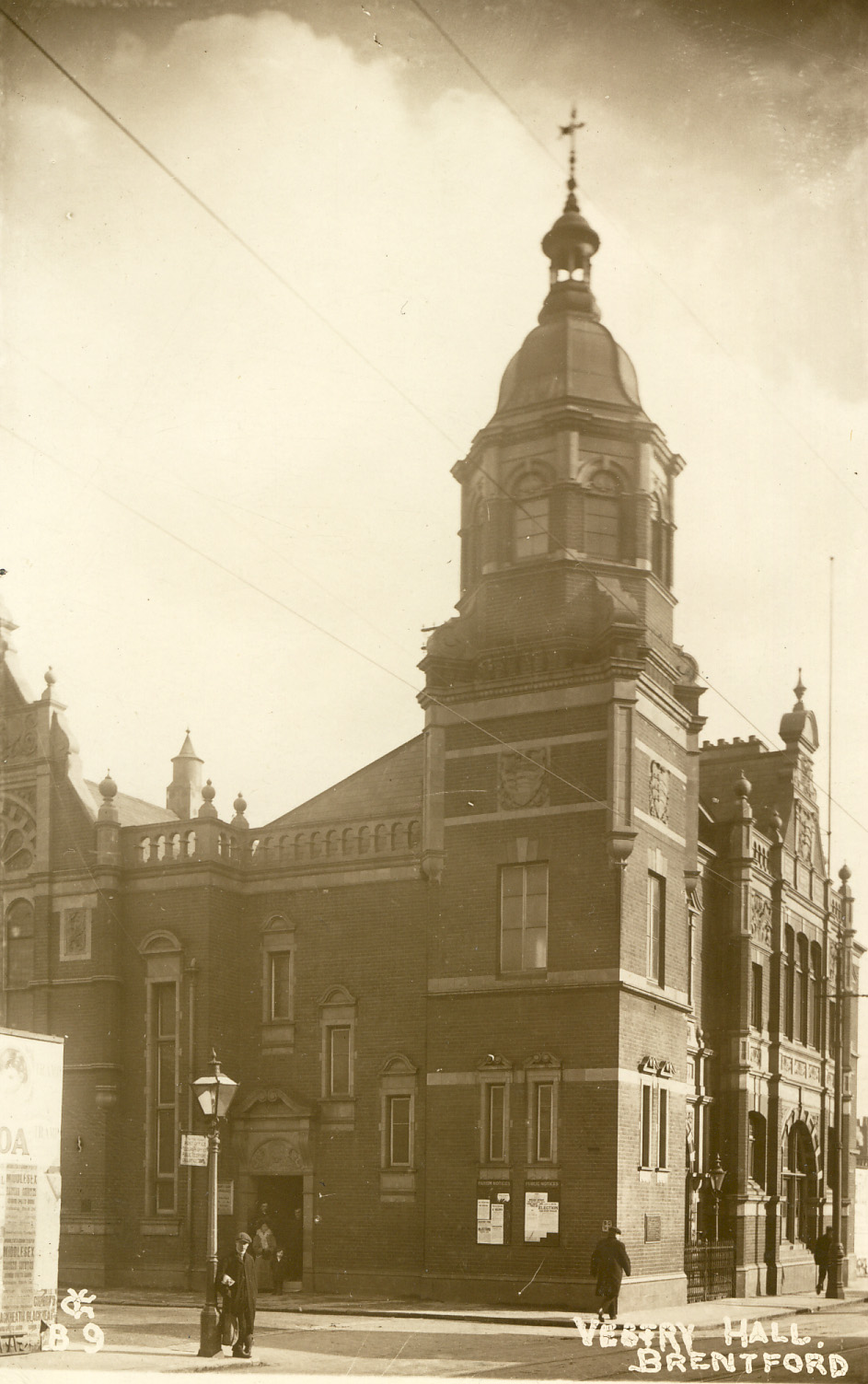
The narrower ‘Half Acre’ of the past looked quite different from today. From 1900 it was dominated by the Vestry Hall, designed by Thomas Henry Nowell Parr. The old hall could host meetings and talks of over 600 attendees and also housed Brentford County Court. It stood for just 63 years: knocked down in the 1960s to be replaced by the ‘new’ high rise Police Station building.
Turning back to the high street though: looking West, on the water side of the high street was County Parade. Built in the 1950s with its the new shops opened in around 1954, it has now been replaced by the latest new buildings. Current Archaeologists say that much of Brentford’s medieval past was lost or unrecorded when County parade was built.
The remaining old building on the south side of the high street is the Bradbury building which was occupied by a family of Grocers between the 1850s and the 1960s. The warehouses that remain (behind it) were built in 1891 and were accessed via an archway from the High Street into what was called Bradbury’s yard. The business stopped being listed in the phone book in the late 1960s.
Children and families
- Can you try to match the view you see in the photographs with the view you can see today? Use the Beehive, The Magpie and Crown and the Market Square as landmarks and check the labels on each picture.
- Pop down West Bradbury Yard and see the stone laid into the wall of one of the few surviving industrial buildings in the High Street. Bradbury’s the grocers had a whole complex of buildings stretching down to the canal – judging by the stone plaque they were evidently quite protective about the space they owned next to their wall.