

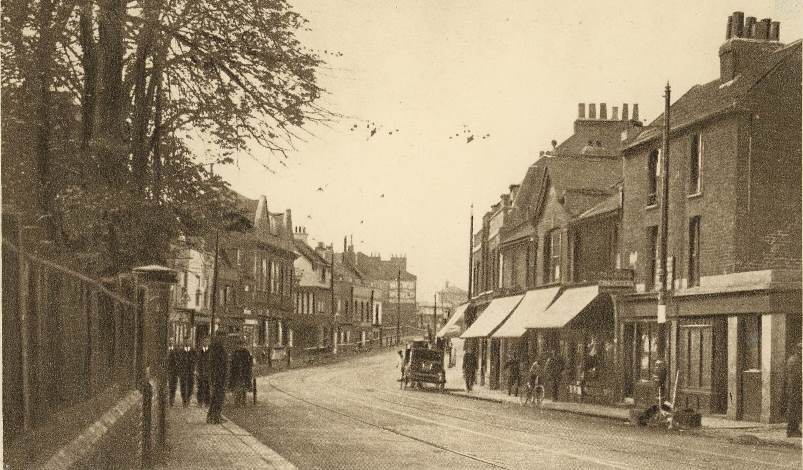
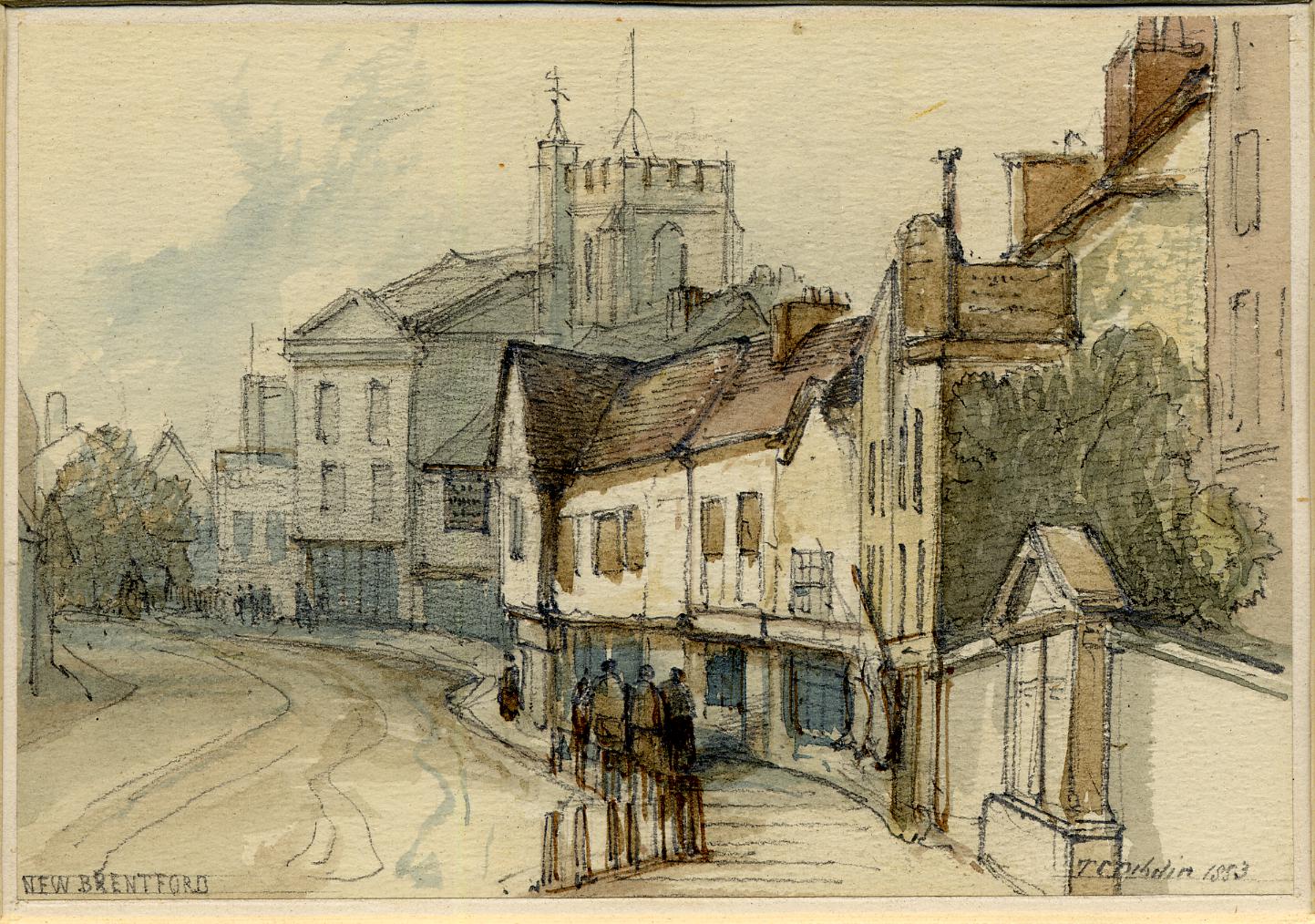
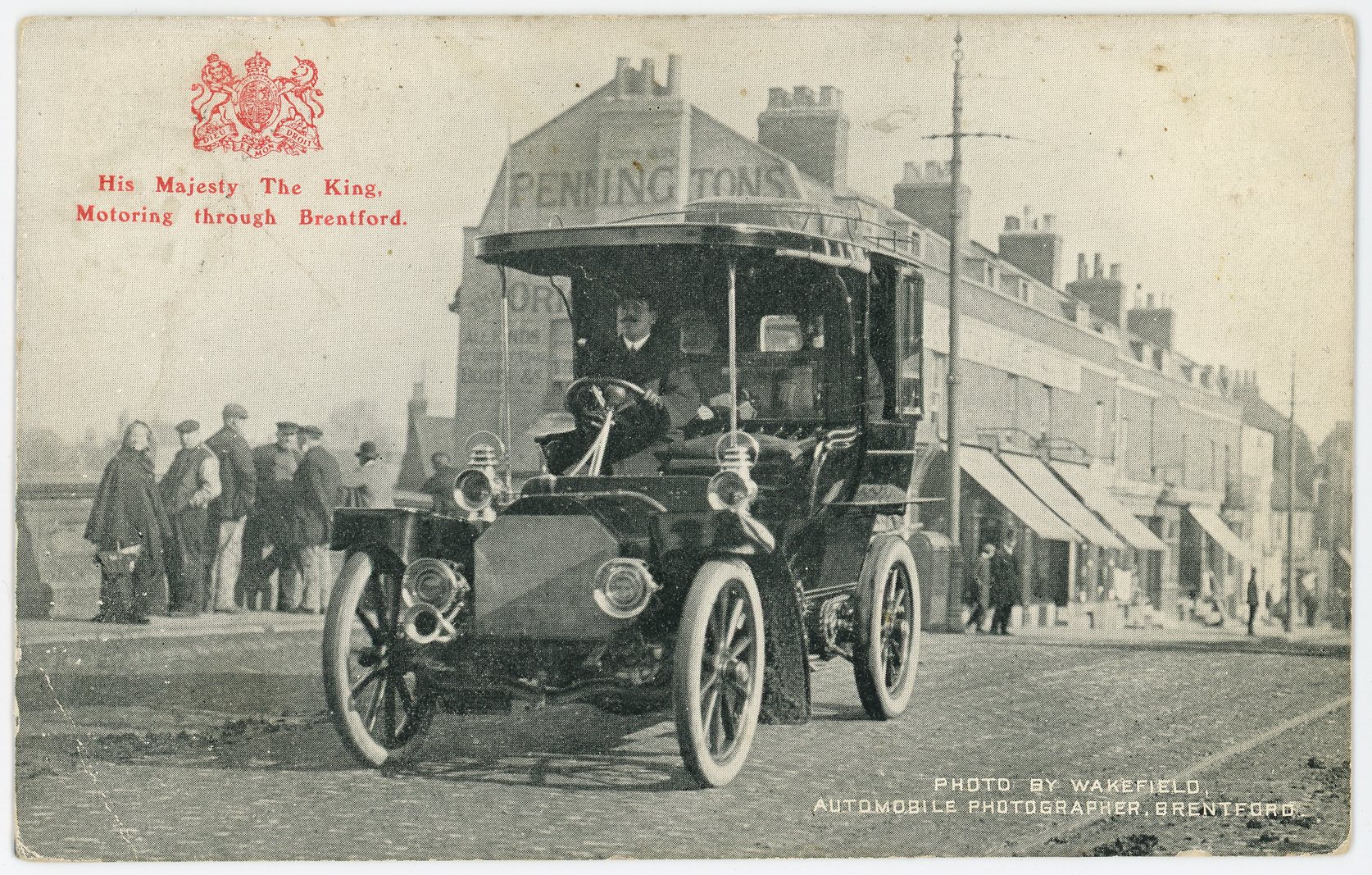
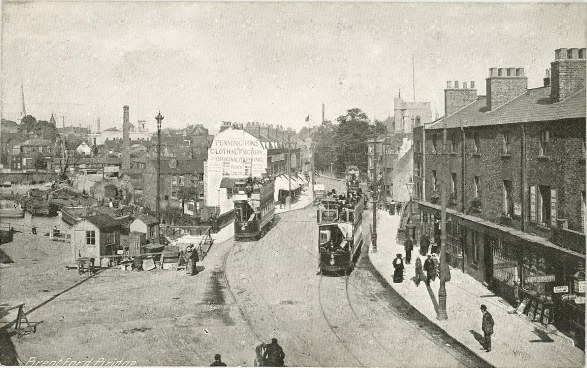
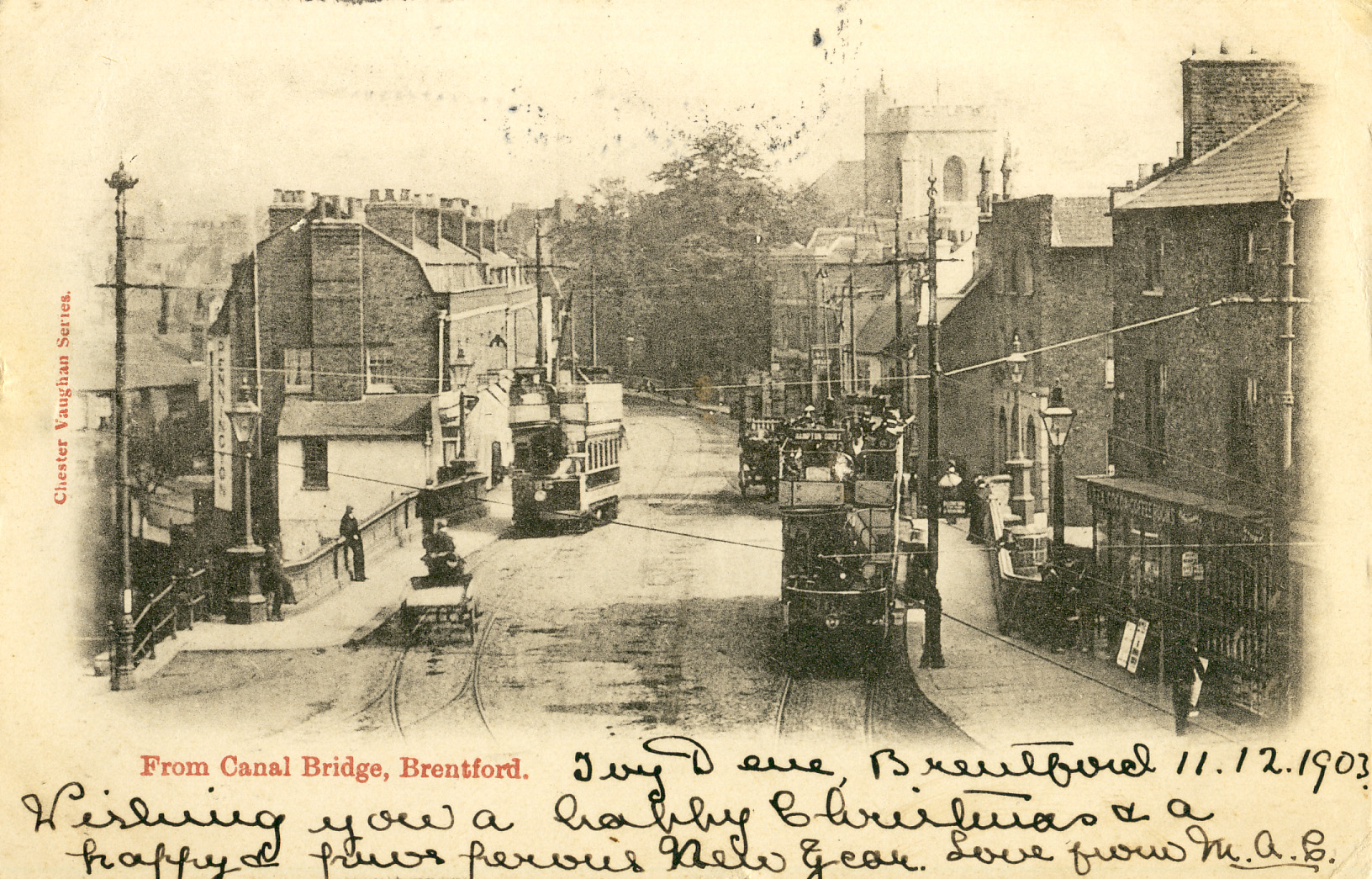
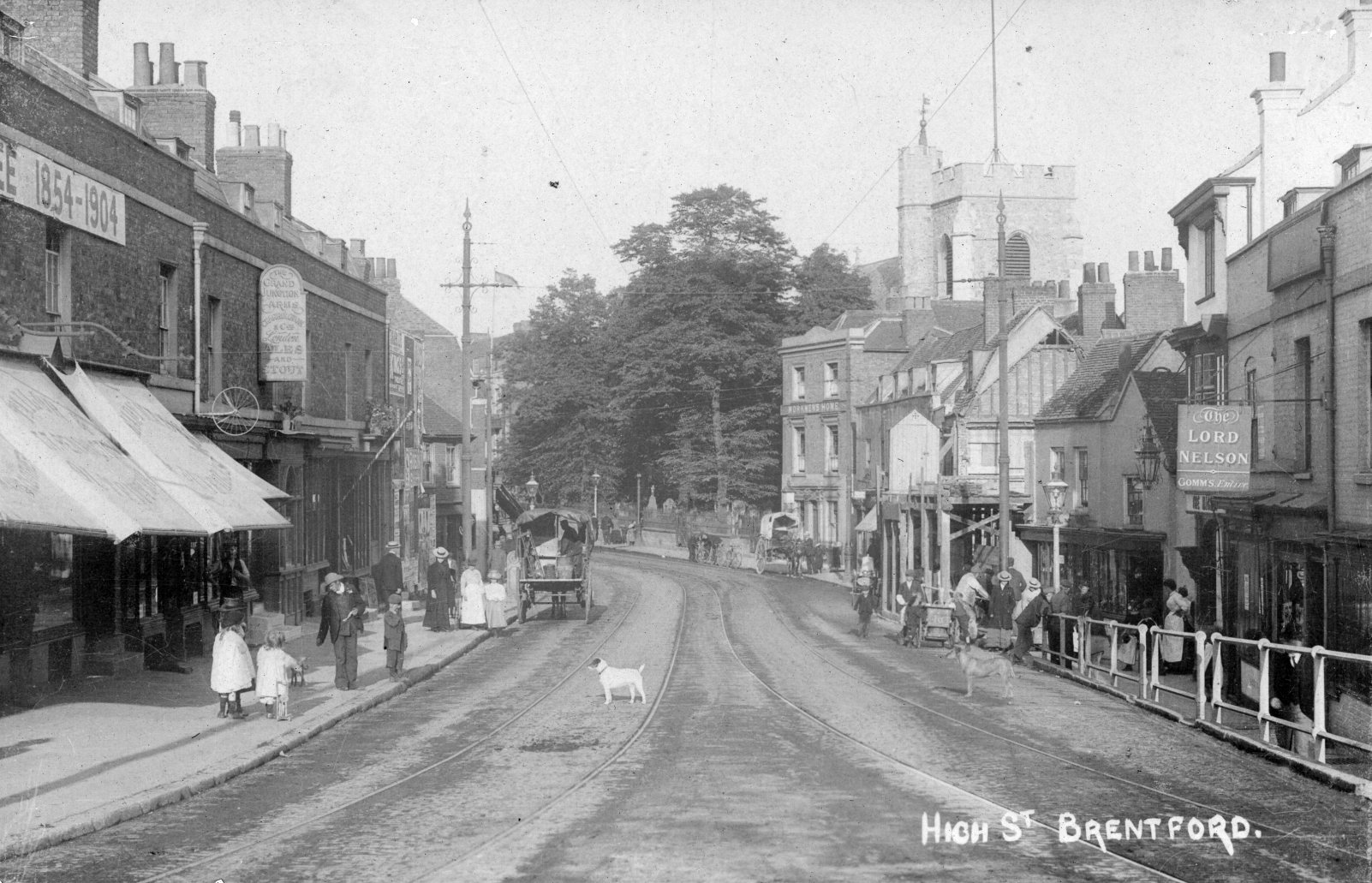
By the end of the 13th century New Brentford was gaining a reputation as a trading centre. There was access by river on the Thames and the road had been improved by the bridging of the Brent early in the century.
Take a look at the information board on the bridge, created by the Battlefields Trust, for lots of information including the Battle of Brentford which took place here in 1642. The English civil war had erupted earlier in the year when Charles 1st , realising how bitterly unpopular he was left London and rallied a royalist army making Oxford their capital Thousands of them marched the 50 miles from Oxford to gather in Hounslow Heath.
A battle was fought as Parliamentarians tried to stop the King’s forces continuing to London and 70 people were killed. The parliamentarians withdrew to Turnham Green and the Royalists ransacked the town. But in Turnham Green the parliamentarians pressed many ordinary people into the fight and the royalists were outnumbered causing them to retreat West. There were no more attempts to try to retake London and Charles 1st was later beheaded, 1649, beginning the time of Oliver Cromwell’s commonwealth.
Use the bridge and St Lawrence’s Church as points to help you understand the pictures here, there were many shops and businesses lining the high street including a toffee factory on the bridge. The previous Brentford Bridge, from the 1820s, can still be seen beneath the modern bridge as support.
Ah Middlesex from (John) ‘Betjeman’s London’
Children and families
• Look over the bridge to the old Gauging Lock, there’s not a lot left to tell us about the thriving canal trade and busy working lives that went on here. But the toll house opened in 1911 and is now a museum -open on Friday mornings from 10am to 1pm.
TOLLHOUSE MUSEUM (Canal River Trust). Take a look inside or at the boards outside. Gauging was the old way of measuring how much cargo a boat was carrying so that the toll keeper could charge the right amount of money for using the canal.