

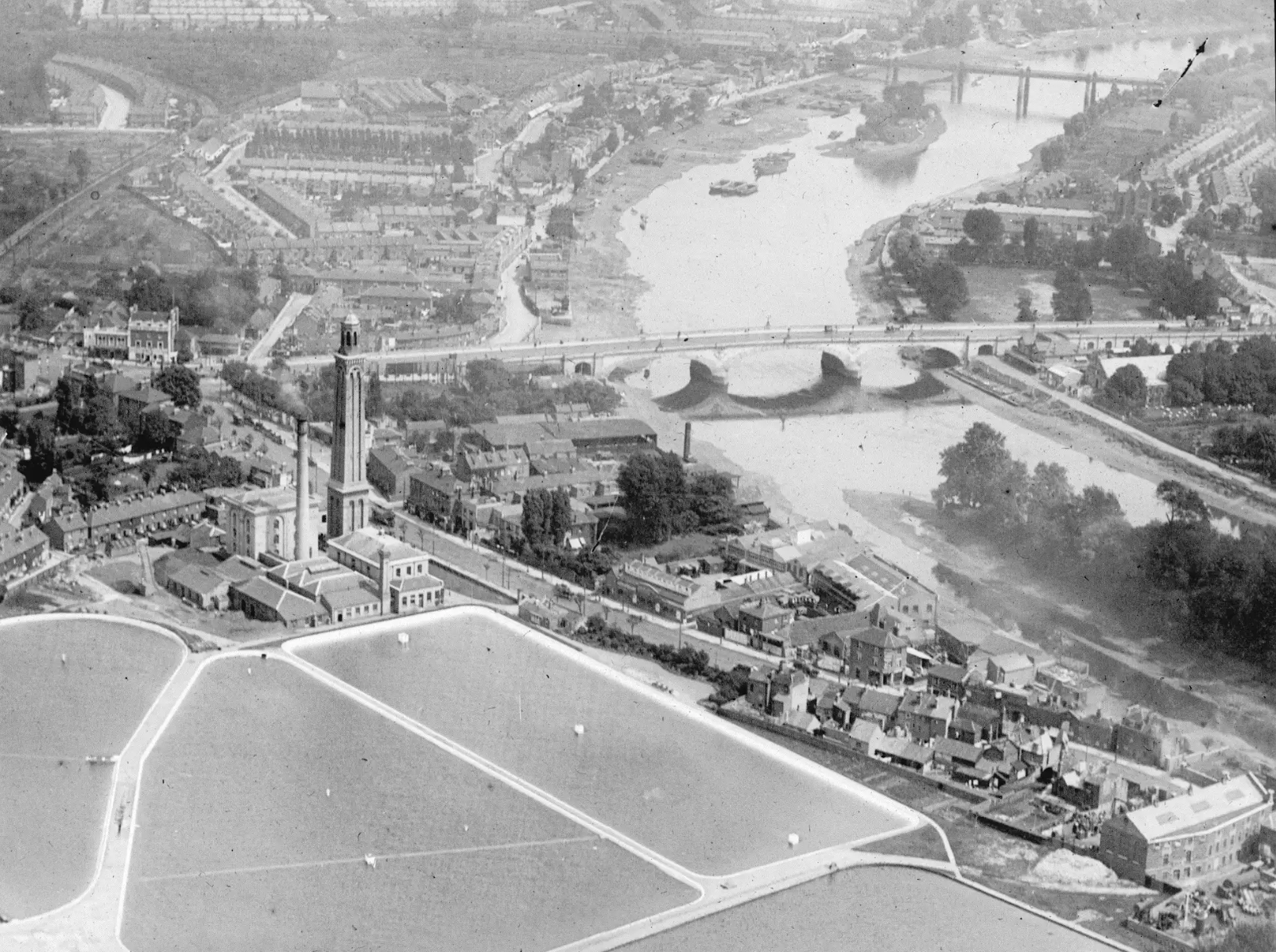
1952 Kew Bridge Waterworks, Aerial view looking down river - filter beds, waterworks building and Kew Bridge. Image in Chiswick Library- N Dunn Meynell.
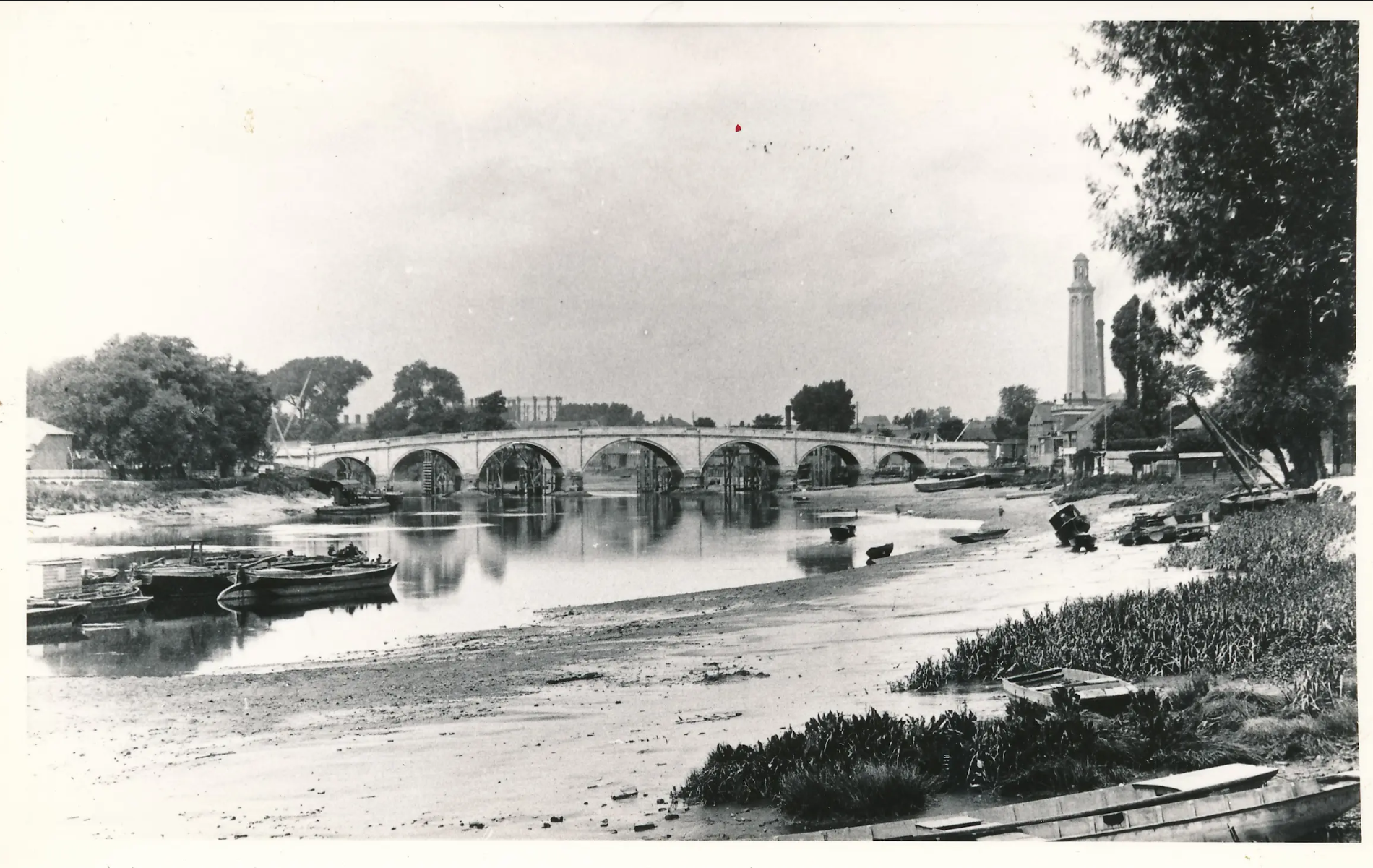
circa 1910 Brentford High Street by Kew Bridge By permission of London Museum of Water & Steam.
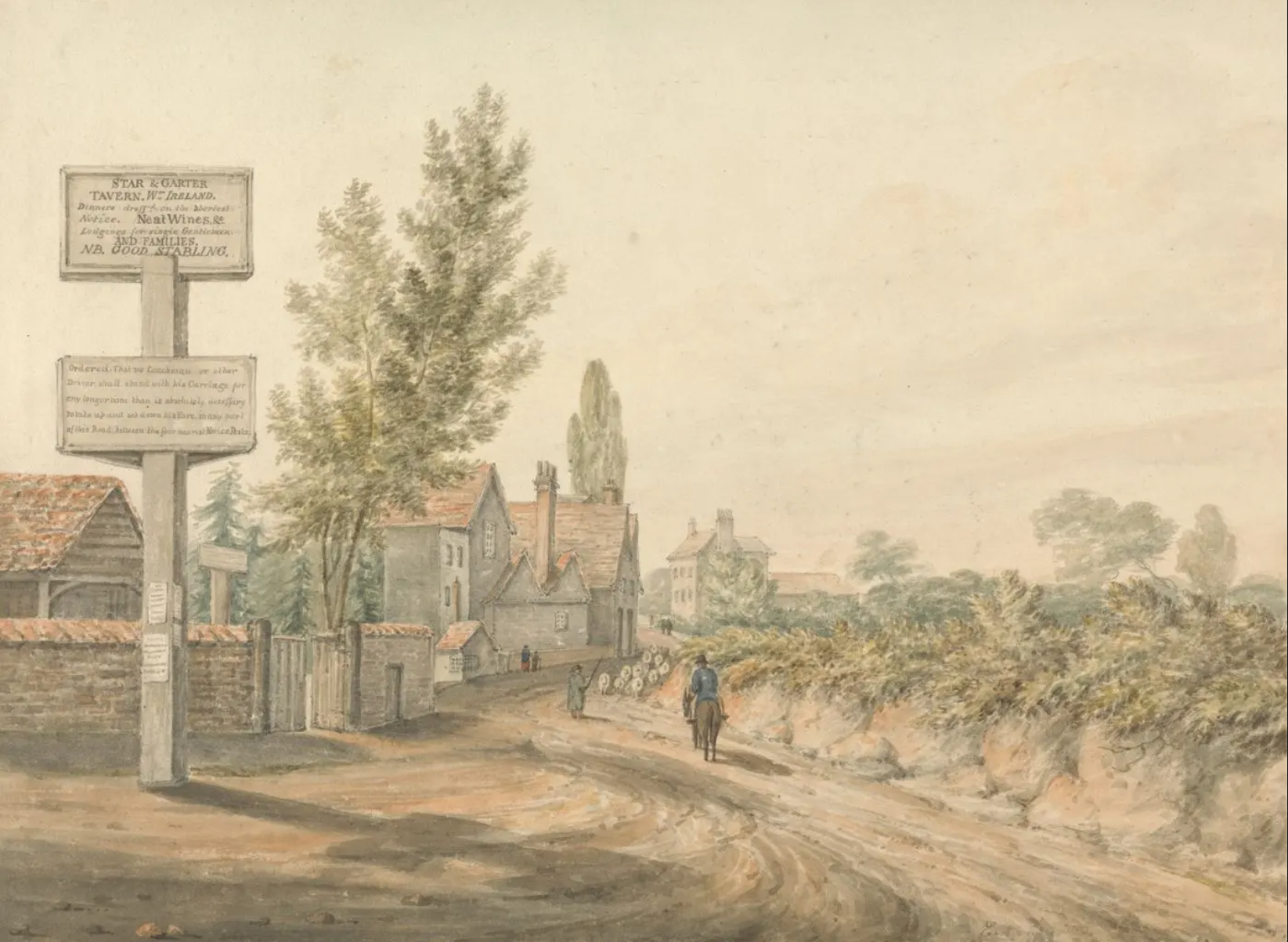
William Henry Harriot painting of Entrance to Brentford 1809 The Star and Garter from Yale Center for British Art, Paul Mellon Collection
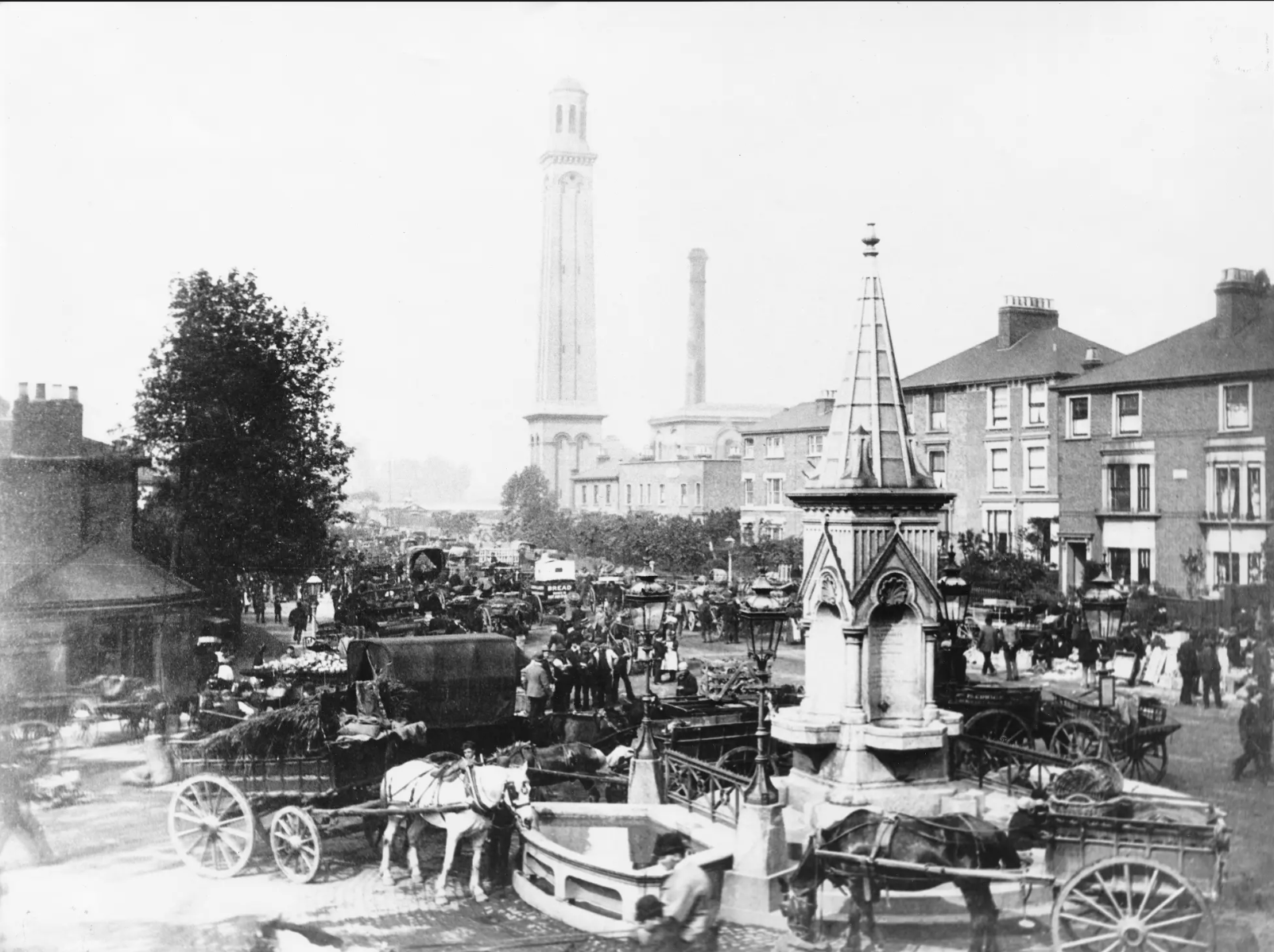
Circa 1900 Brentford Fountain on Kew Bridge approach from LMW&S
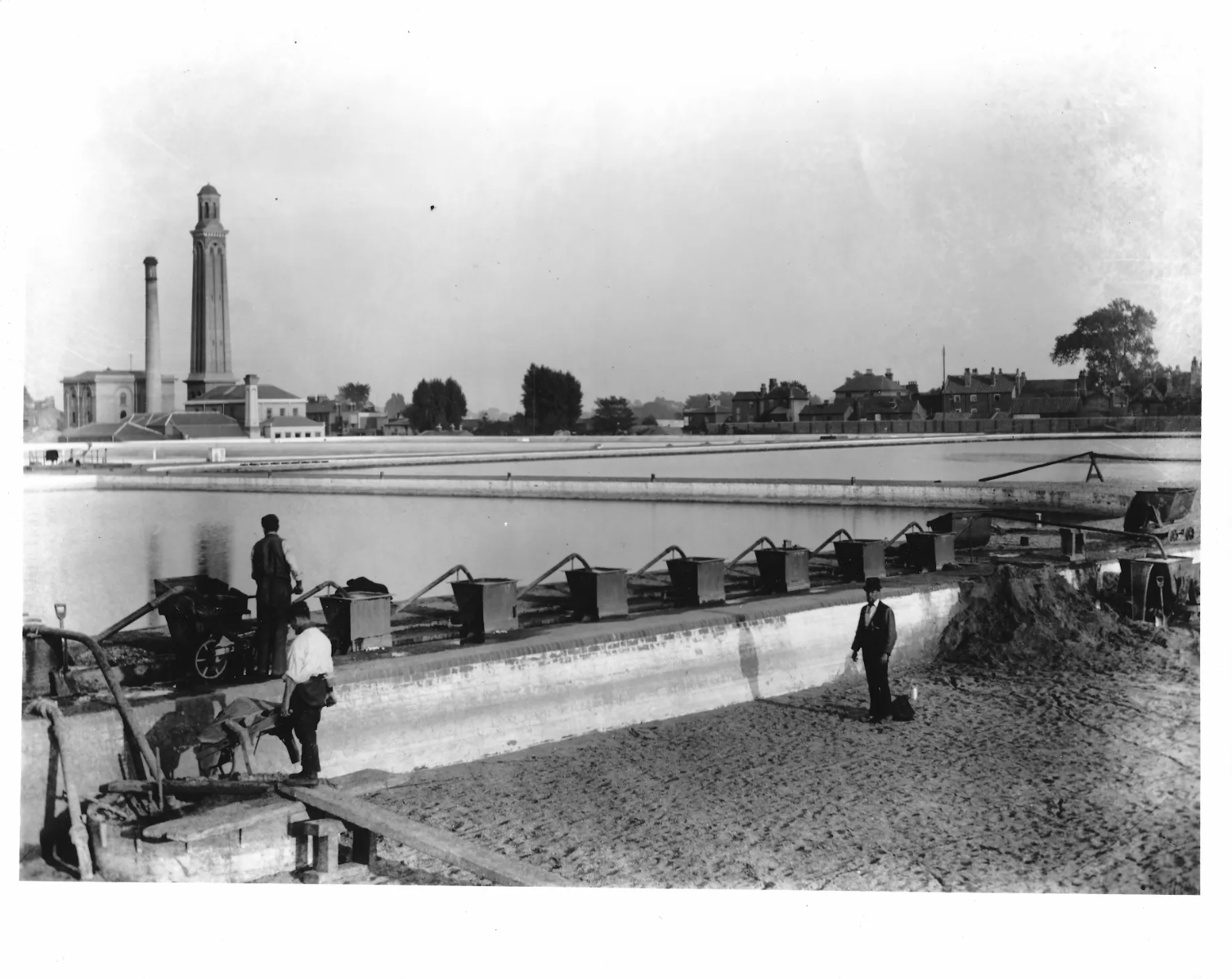
Kew Bridge Waterworks, view across filter beds, sand cleaning in progress. One of the oldest pictures taken 1885-90. By permission of LMW&S
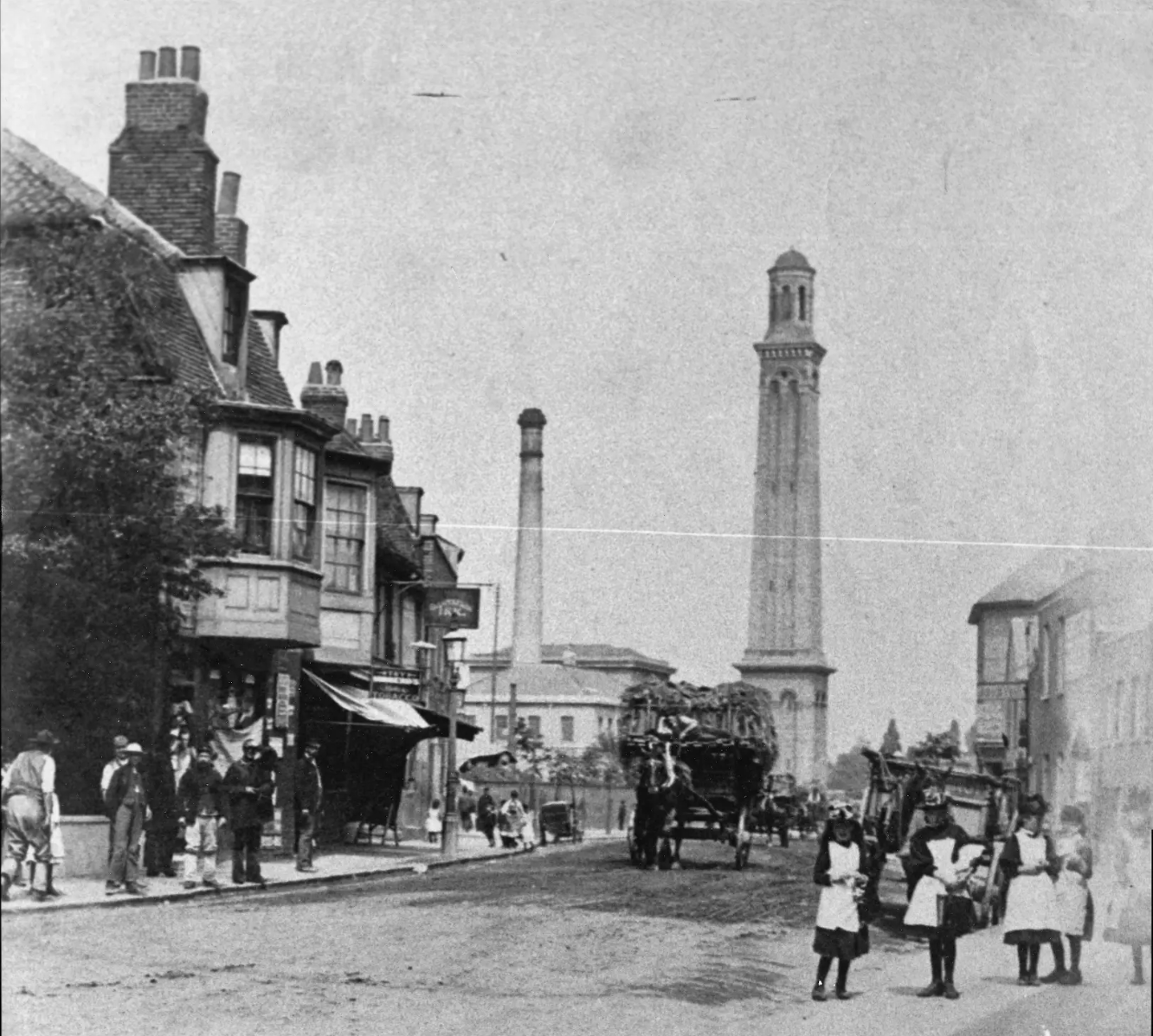
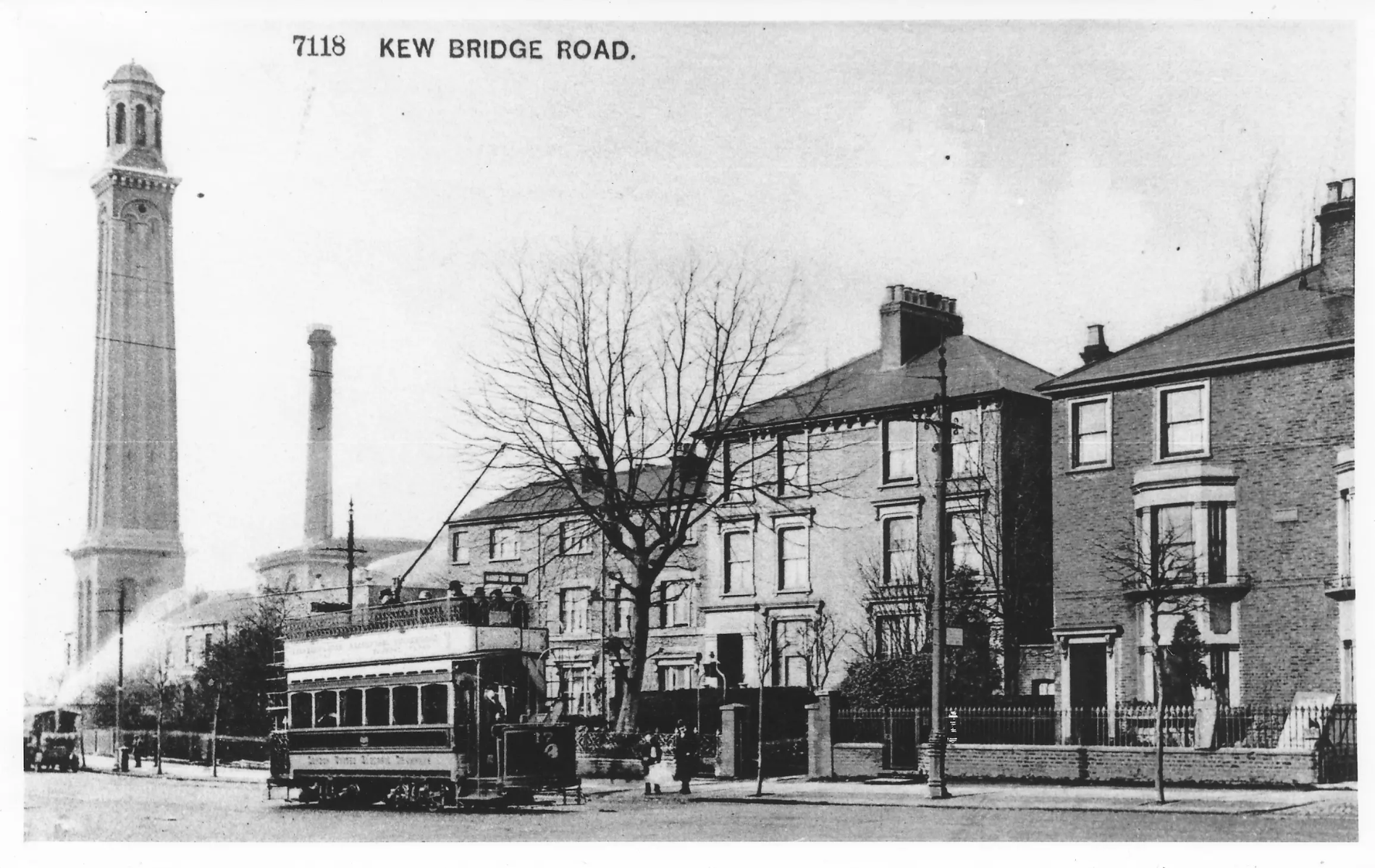
Early 1900s Kew Bridge Rd looking east with Waterworks. Waterworks with standpipe tower and chimney. By permission of LMW&S
In 1789 the first stone Kew Bridge was built to replace a previous wooden one. In the centre of the road, on the Brentford side of the bridge stood the Brentford Fountain, a drinking fountain built in 1877 to serve the market which had gradually grown up here with growers trading from their barrows. It took over the junction and caused traffic congestion so in 1893 a new purpose-built market was opened- on the site of what is now the Fountain Leisure Centre- just east towards Chiswick roundabout.
By 1927 700 buyers’ carts entered the market every day- the fruit and veg sold there were all from market gardens in Middlesex. Though from 1925 factories and houses were gradually being built over the fertile land near the market.
In 1974 the new Western International Market opened in Hayes and the drinking fountain moved with it- this ended nearly 700 years of market trading in Brentford (a campaign for the return of the fountain continues today).
The London Museum of Water and Steam began life as the Kew Bridge water works which was one of the biggest water pumping stations of Victorian London. Built in the 1830s: when sanitation was becoming understood to be important for the people and trade of Britain. Kew is the oldest waterworks in the world that has its original steam pumping engines intact.
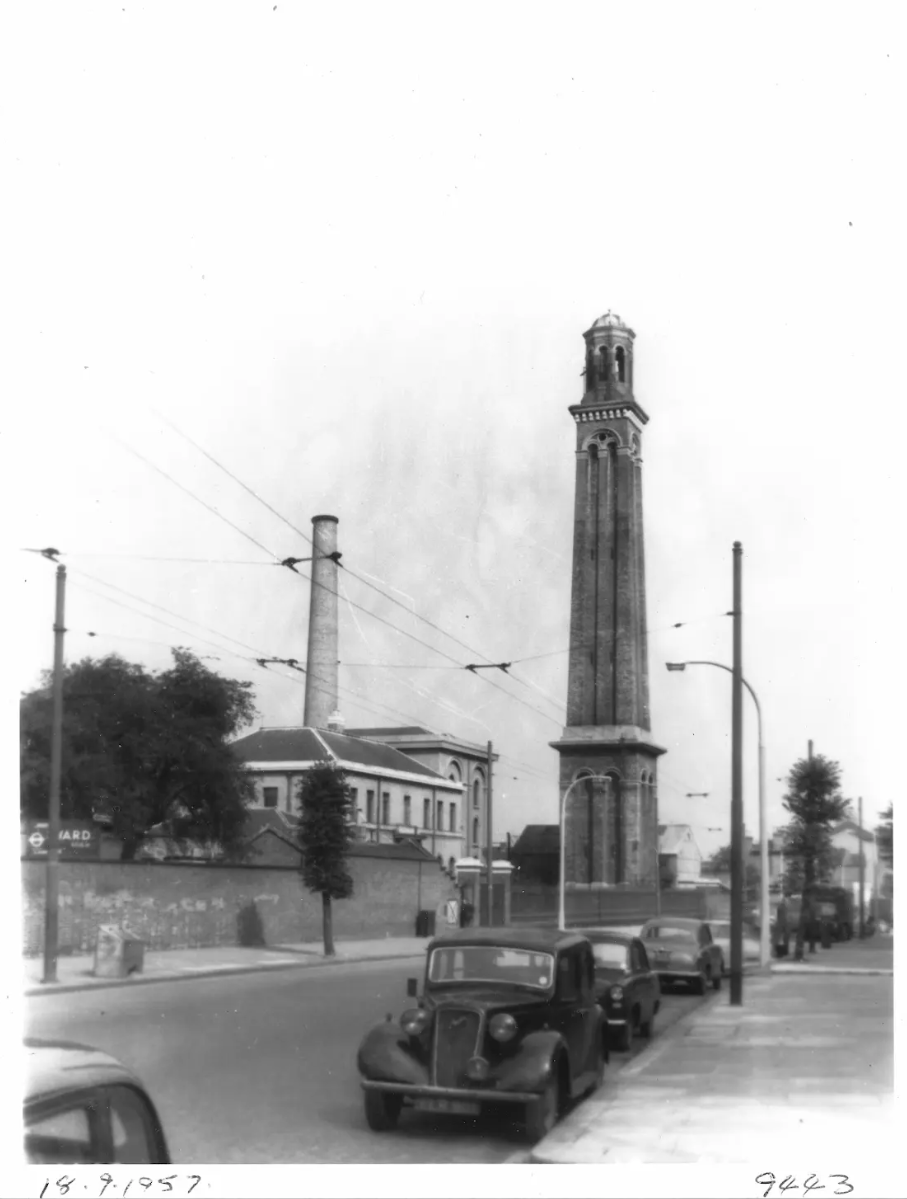
1957 High Street and Water tower by permission of LMW&S
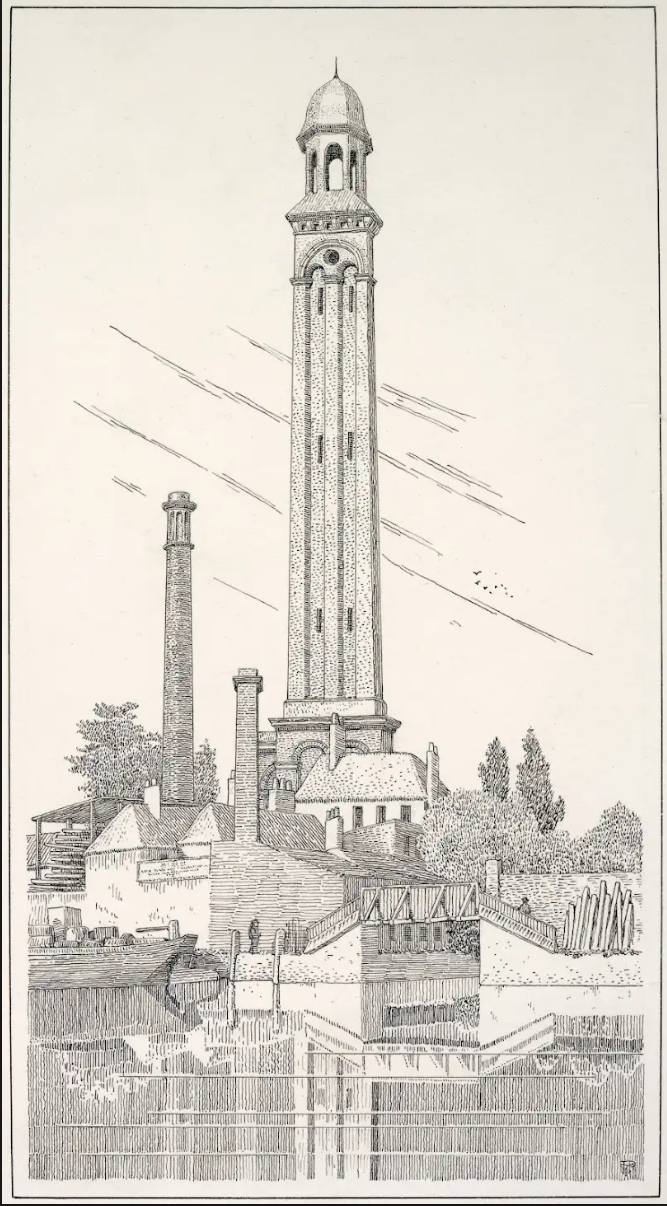
1905 From hounslow local studies rawing by John Tavenor Perry.
Circa 1910 Brentford High Street by Kew Bridge By permission of London Museum of Water & Steam.
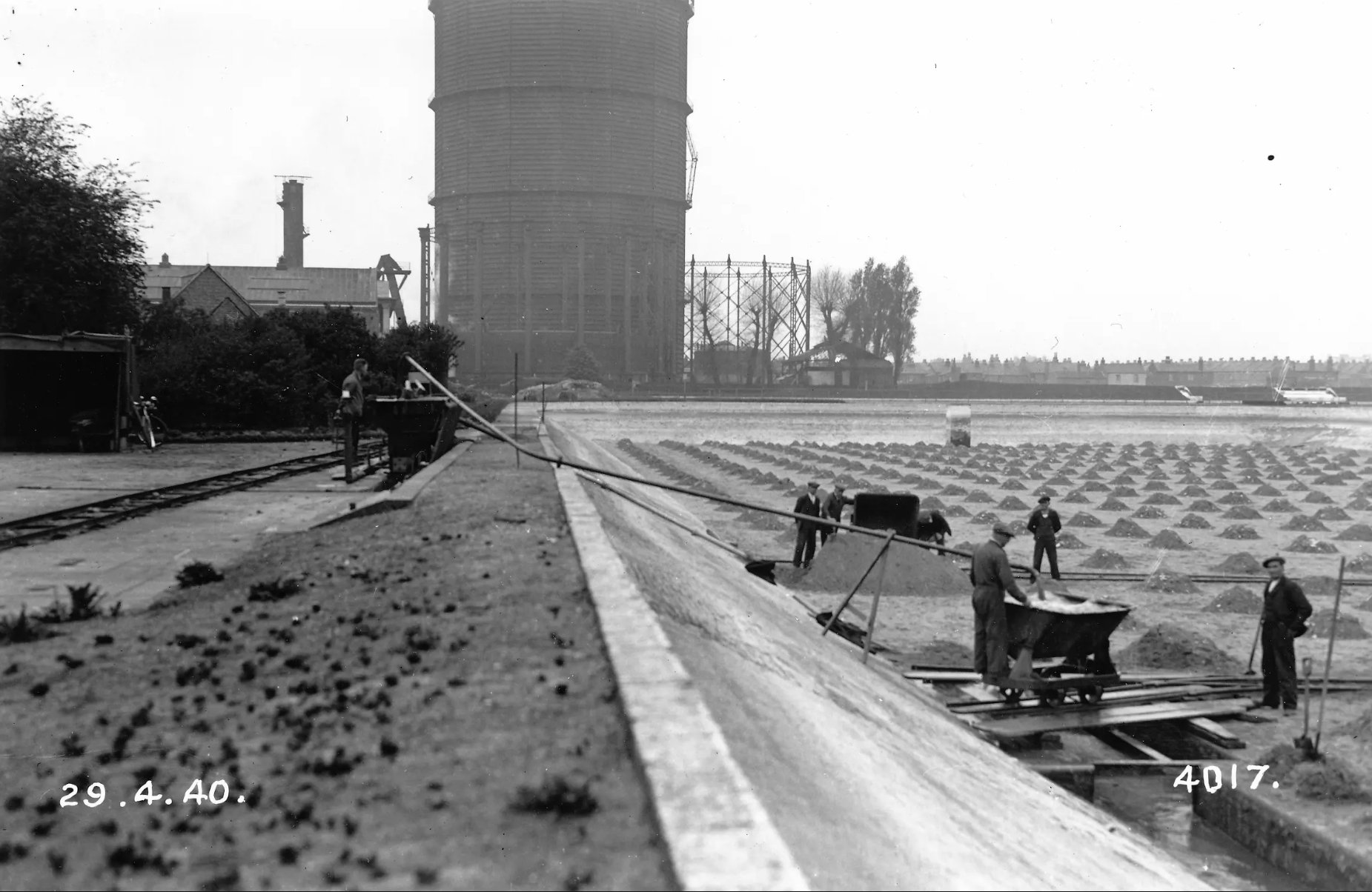
1940 Kew Bridge Waterworks Filter Beds By permission of LMW&S
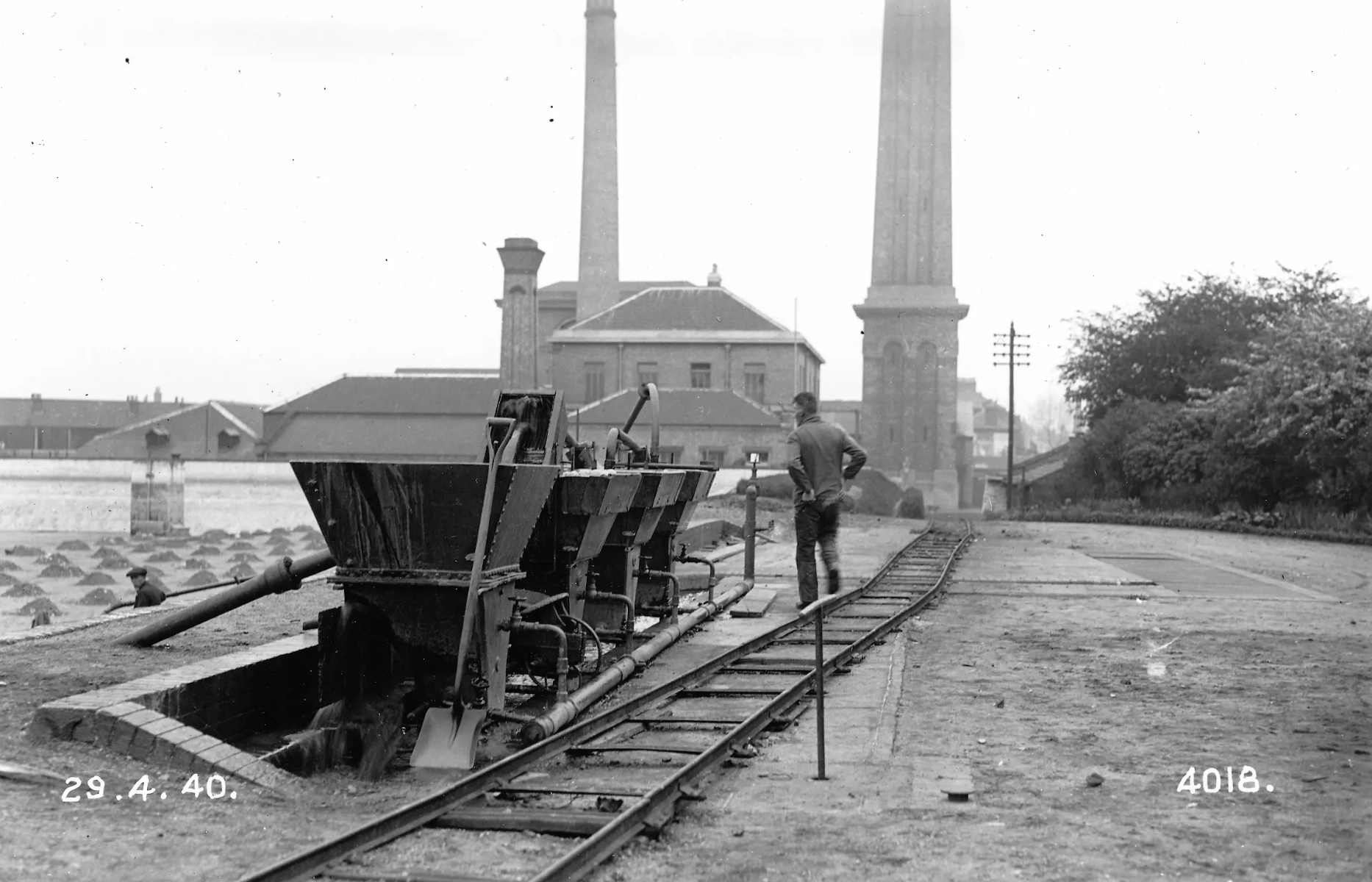
1940 Waterworks/ Steam Museum By permission of LMW&S
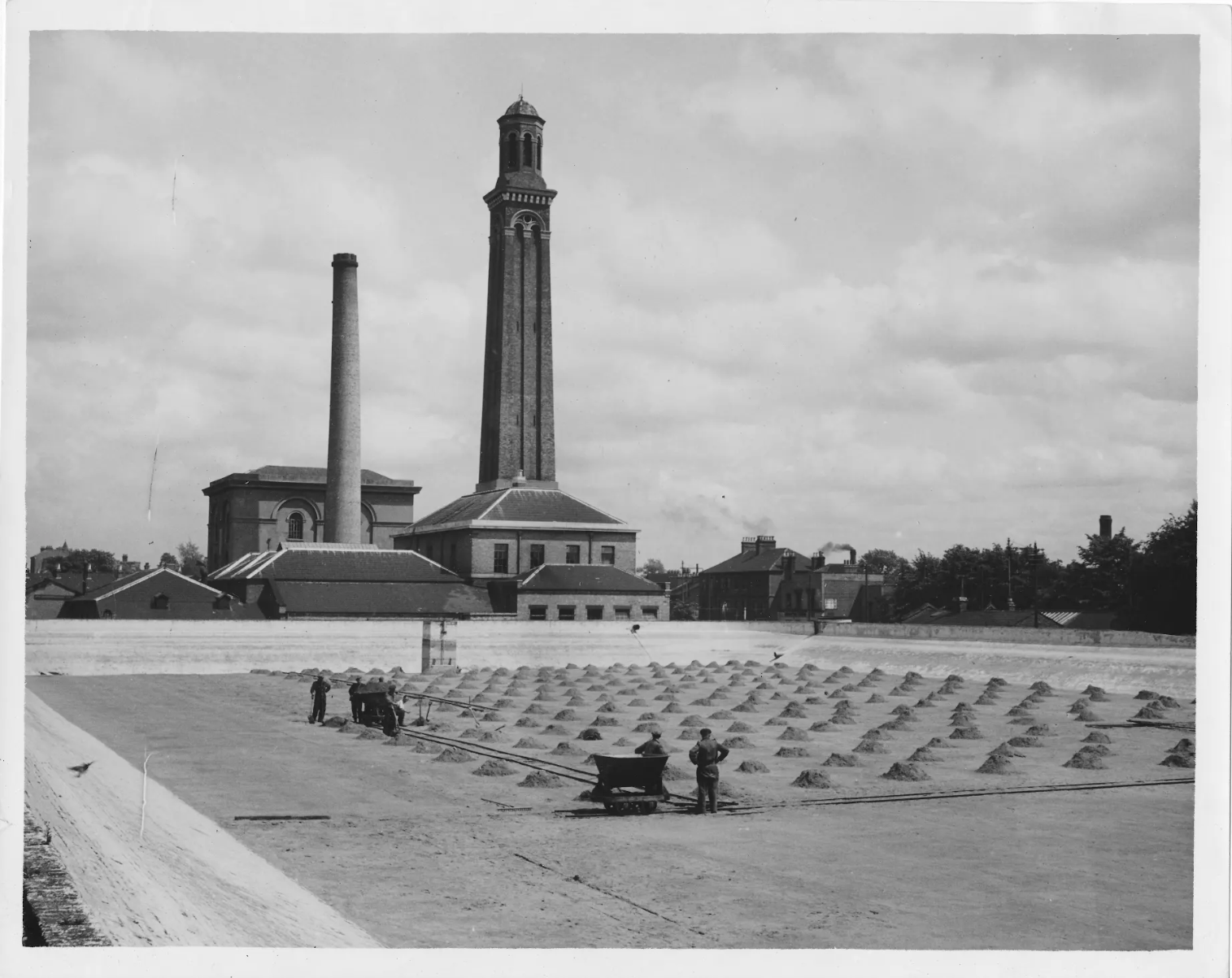
1946. By Permission of LMW&S
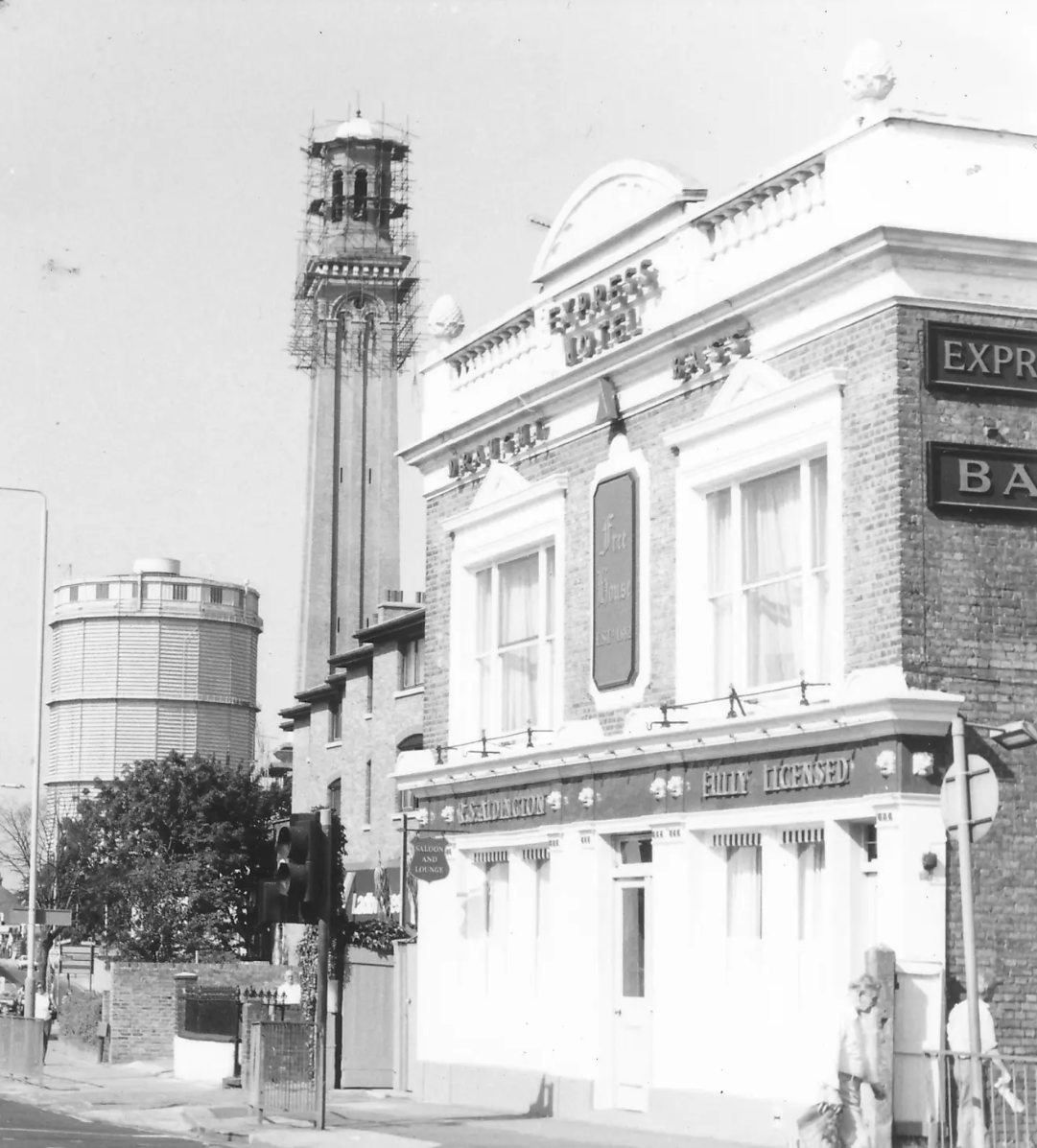
1957 High Street and Water tower by permission of LMW&S
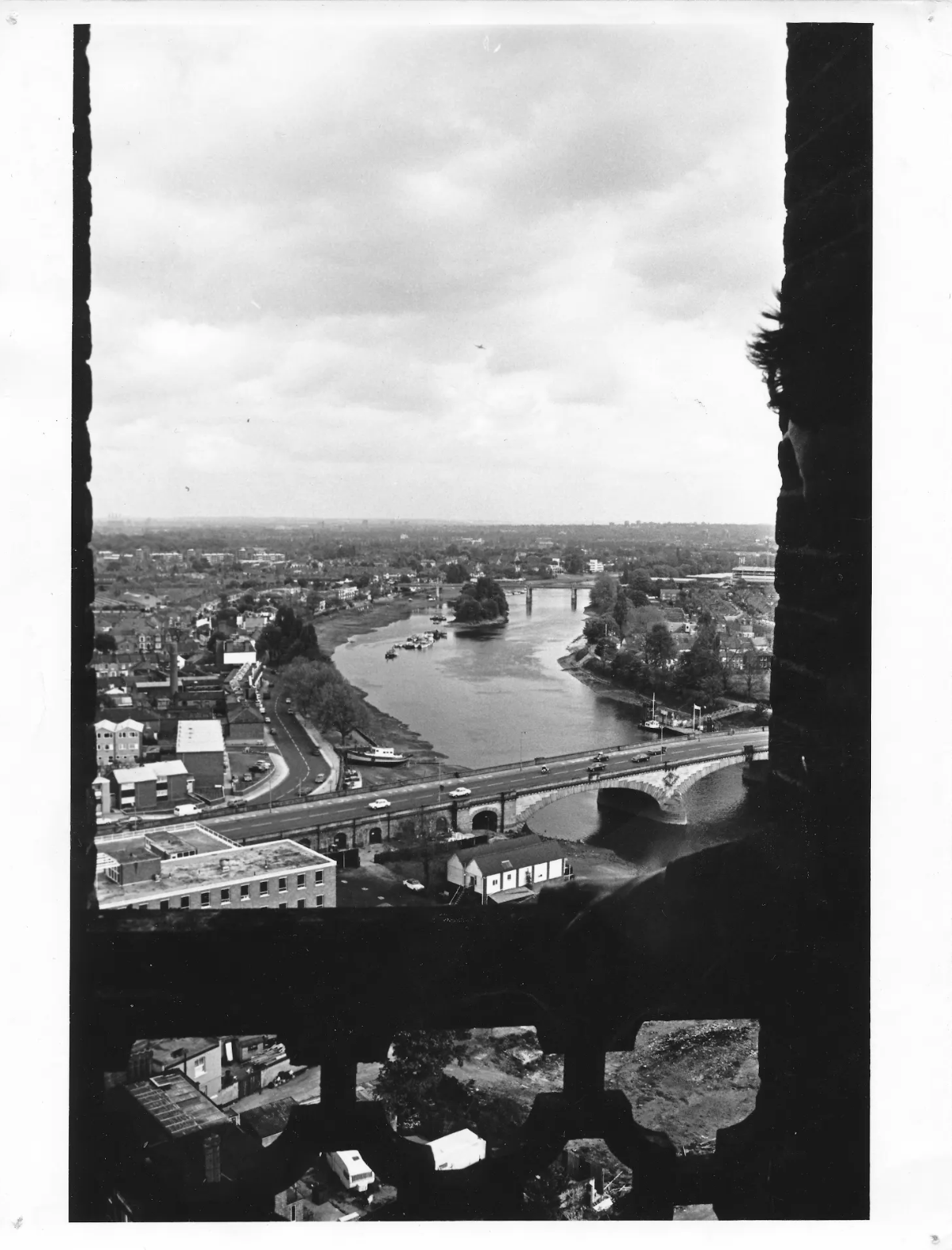
Date unknown but circa 1960s judging by the cars- taken from tower of the Steam Museum By permission
of LMW&S
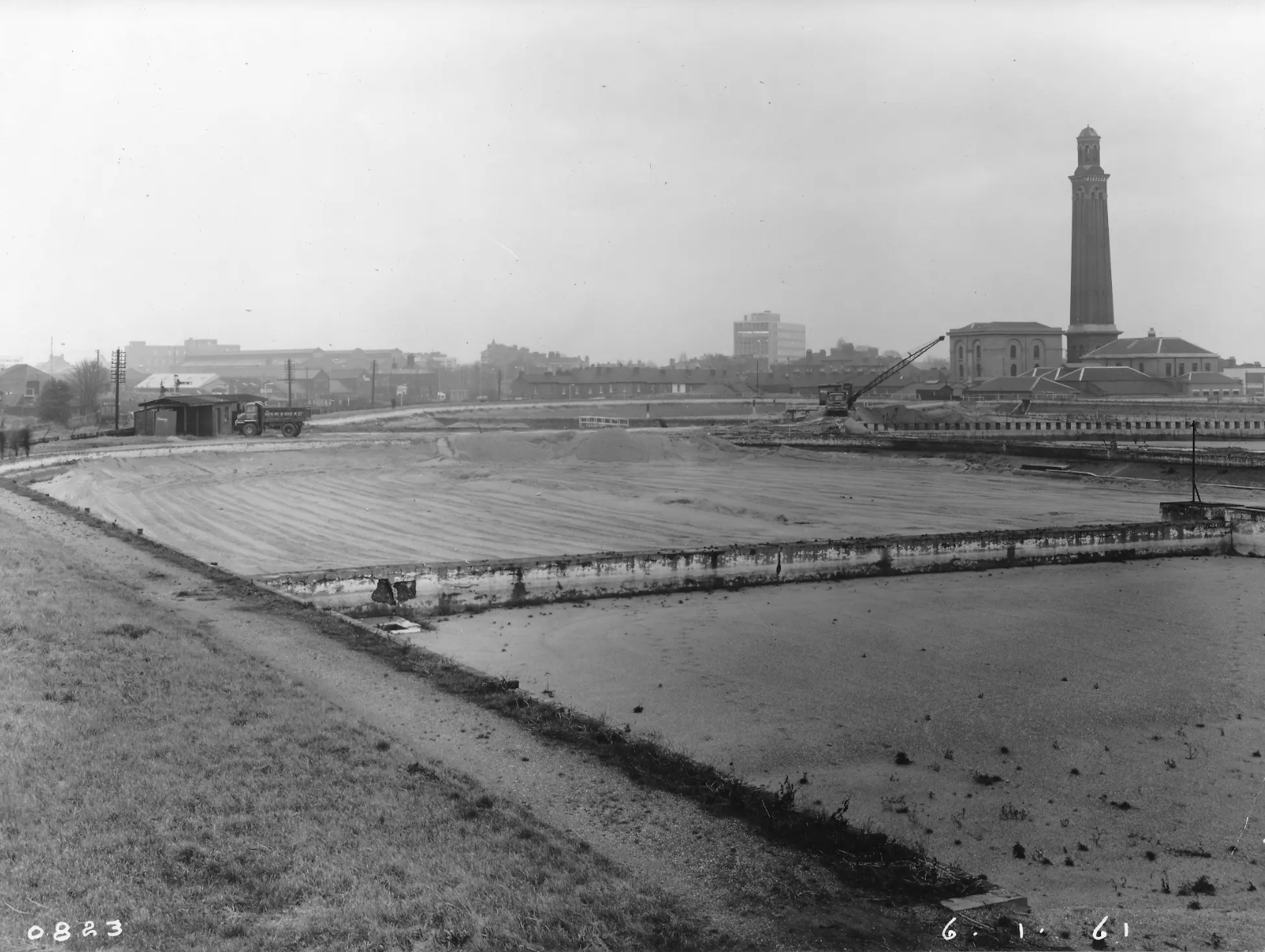
1961 filter beds Waterworks/ then Steam Museum By permission of LMW&S
Children and families
- Count how many generations of your family you must trace back to get to the 1830s (when the water pumping station began operating).
- A game for your walk to the next trail point- Take it in turns to add to a list of all the ways we use water every day of our modern lives
- Can you picture a time when there was no running water in peoples’ homes, no bathrooms? Imagine a different kind of life when you would need to fetch water from a local pump and boil it on your own fire in order to wash or make it safe to drink