

Feltham: From Farmland to Frontiers
Artist Ekta Kaul’s trail honours Feltham’s rich heritage, from its origins in agriculture to its pivotal roles in aviation and car manufacturing, and its vibrant contemporary music and art scenes. The trail weaves through the town, showcasing local flora, key landmarks, and significant historical moments, celebrating Feltham’s vibrant past and present.
About Ekta Kaul
Ekta Kaul is an award winning artist known for her narrative maps that explore place, history and belonging through stitch and abstract painting. Her works are held in prominent public collections including at the Museum of London, Crafts Council, the Gunnersbury Museum and those of private collectors. Ekta has been featured in Vogue, Living Etc, Financial Times, Selvedge, Embroidery Magazine and BBC Radio 4. Ekta grew up in India imbibing the rich textile heritage of the country and trained at India’s pre-eminent design school NID, before moving to the UK to pursue her Master degree in Textiles as an awardee of two British Council Scholarships.
Over the last 19 years Ekta has established a creative practice encompassing artmaking, scholarship and creative mentoring. She was awarded the 2021 Cockpit Arts Textile Prize. Her book ‘Kantha : Sustainable Textiles and Mindful Making’ was published by Bloomsbury UK in 2024.
www.ektakaul.com | Insta @ekta_kaul
The Tour
Welcome to Feltham! To follow the tour, download the map and follow the links below. There is not a particular order, but we recommend to start at Feltham Station Gallery.
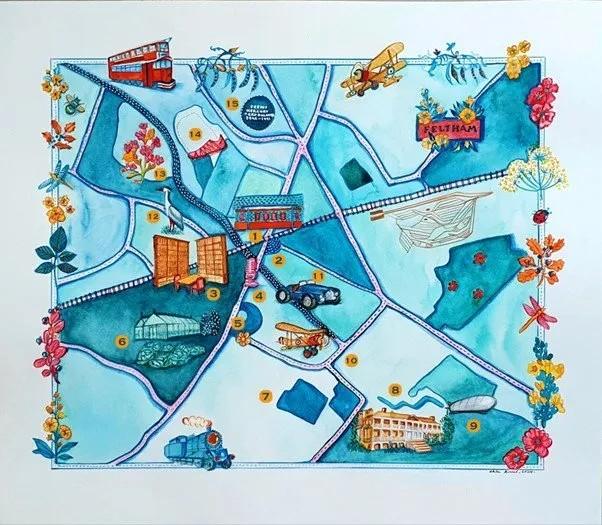
Please, click below to explore each area
Old Feltham Station Entrance, Hounslow Road, TW13 4BY (on the bridge crossing the tracks)
Feltham Station Gallery is located outside the entrance of Feltham Station. It is a public art space devoted to celebrating artistic talent, bringing together practising artists and local young people, with quarterly exhibitions of new work.
You can check the current exhibition at Feltham Station Gallery — Feltham Arts
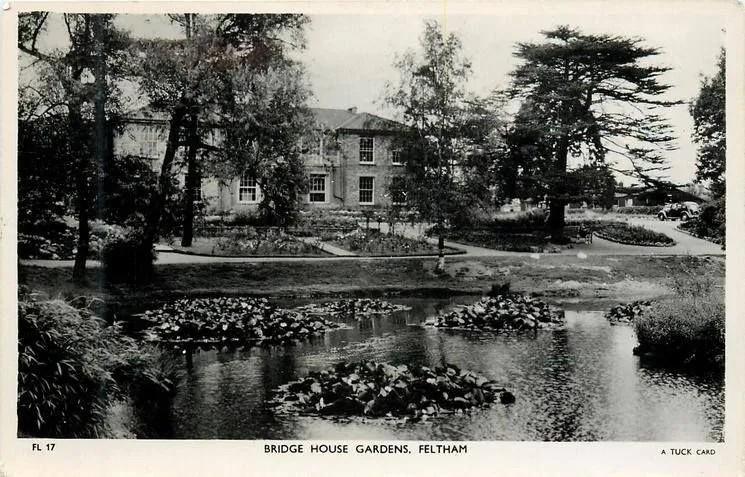
Opposite Feltham Station, Bridge House Pond sits within a community park, created and maintained by The Friends of Bridge House Pond Feltham to give people a place to relax and enjoy nature. The Pond was originally a Victorian ‘borrow pit’, created when the railway line was built in 1848. The gardens used to belong to Bridge Pond House, visible to the North.
2nd Floor, 210 The Centre, High Street, Feltham TW13 4GU
Feltham Library holds half of the Local History Archives for the London Borough of Hounslow. This is a collection of documents, material, and images telling the history of Hounslow and can be accessed by members of the public by appointment.
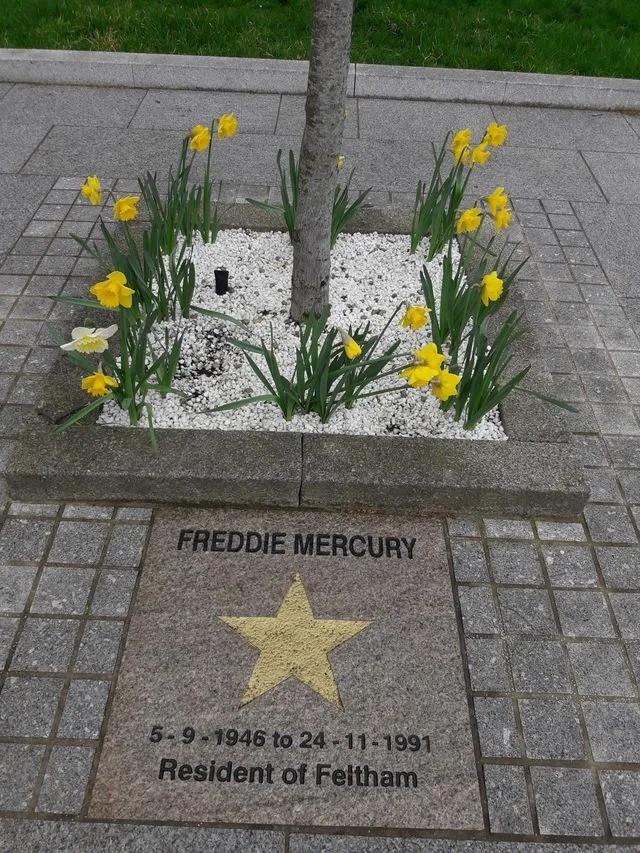
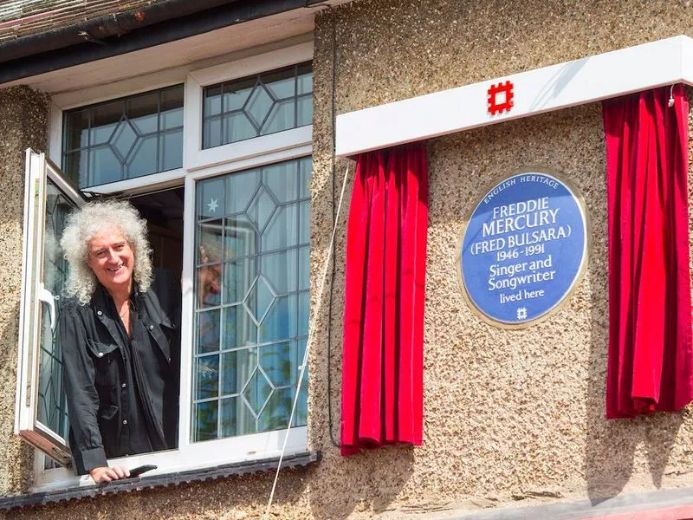
Freddie Mercury, lead vocalist with the band Queen and former resident of Feltham, is memorialised on Feltham High Street. The memorial stands beneath a tree planted by Mercury’s mother, Jer Bulsara. Feltham’s other musical connections include Brian May (guitarist and vocalist with Queen), Jimmy Page (guitarist with Led Zeppelin), and Vic Briggs (guitarist with The Animals).
High St, Feltham Green, Feltham TW13 4AF
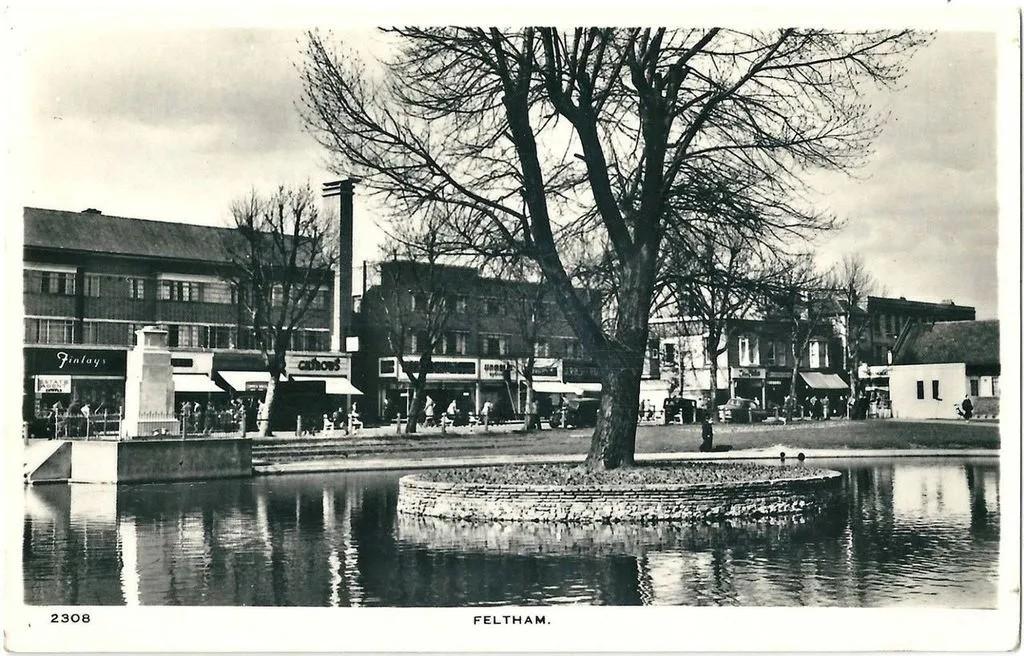
The Feltham Pond Mosaics were created by artist Susie Johns and a team of community volunteers. The mosaics were inspired by Feltham’s name – ‘felt’ or ‘felte’ is a folk name for the native great mullein plant and ‘ham’ means village. Each mosaic is in the shape of a mullein flower and there are several along the wall above Feltham Green’s Pond.
Middlesex, Rochester Ave, Feltham TW13 4EW
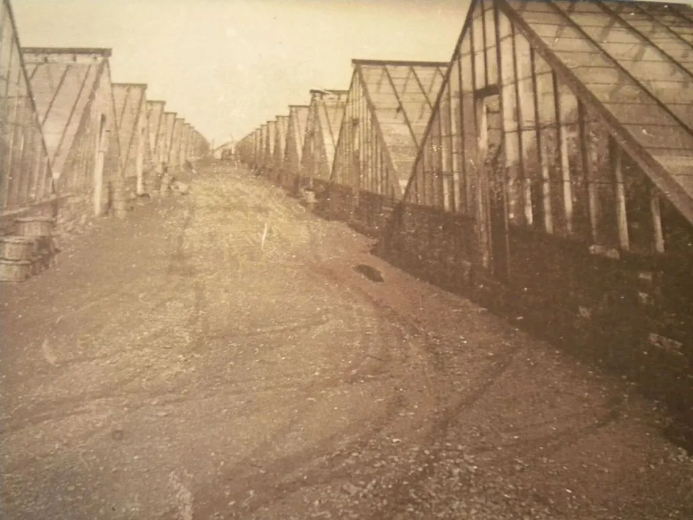
Known as the “Cabbage King”, A.W. Smith was a prominent horticulturist and market gardener at the turn of the 20th century. He built twenty greenhouses in Feltham, known as “Glass City”, and they were the largest greenhouses in Europe at the time. Smith pioneered the “Feltham First” pea variety, still popular today. They stood where Grosvenor Park Children’s Play Area stands today.
The Ministry of Defence acquired land in Feltham in 1914, including Feltham House, the second oldest building in Feltham, built in the 1760s. The house and grounds were used by the military throughout both World Wars; Feltham House as an officers’ mess and the surroundings as training grounds. Since 2000 it has been the Defence Geographic Centre.
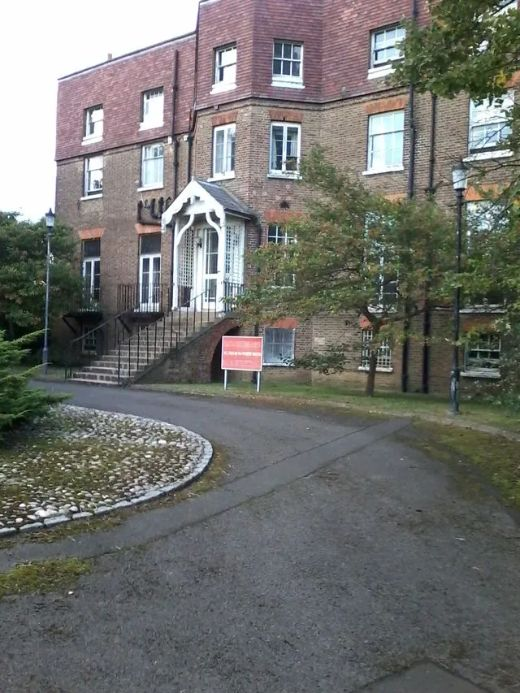
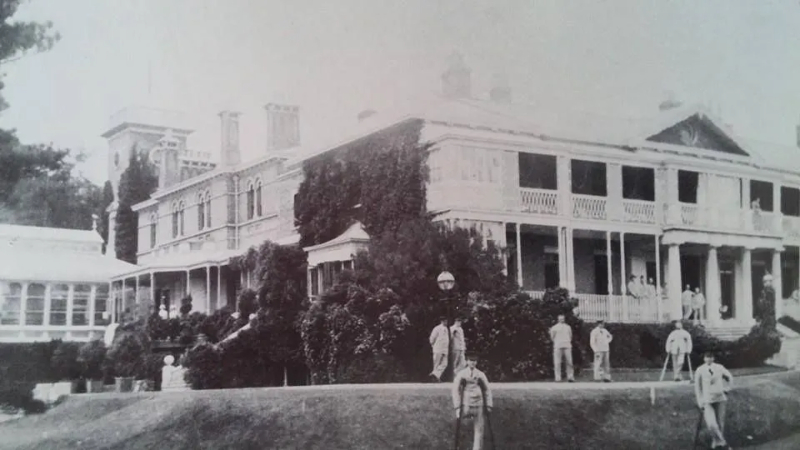
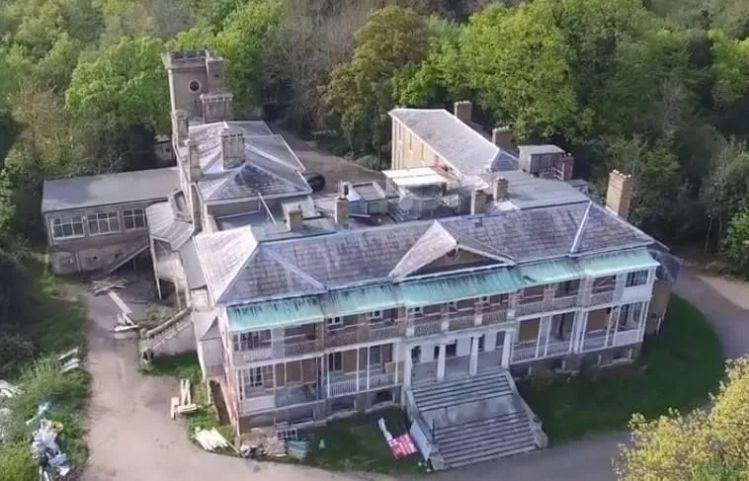
Built as the Royal Manor of Hanworth, Henry VII and Henry VIII used the original building as a hunting lodge when hunting on Hounslow Heath. The original building was destroyed by a fire in 1797 and was rebuilt by 1802, with additions throughout the 1900s. Hanworth Park House became a military hospital during WW1 and afterwards a country club and hotel.
The house is currently not open to the public. There have been several campaigns in recent years to restore and rejuvenate the House and it may well open in the future. Find more at Friendsofhanworthparkhouse.com.
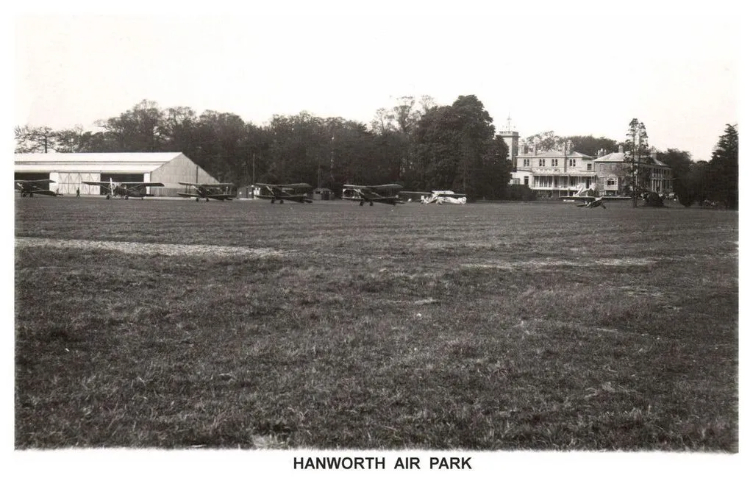
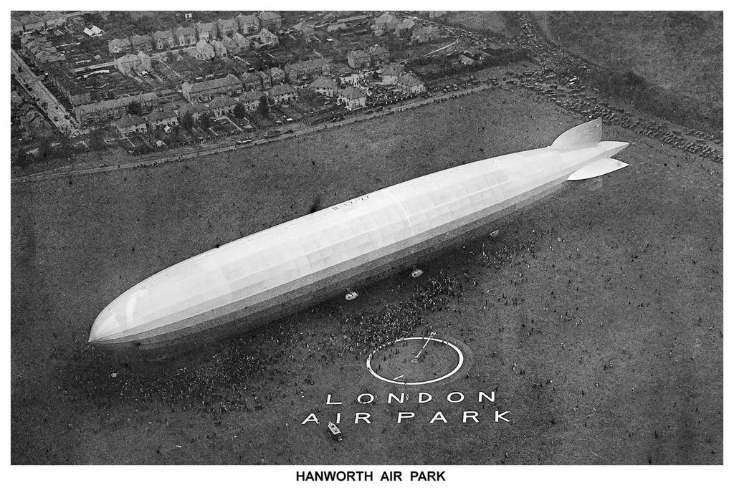
Hanworth Air Park was an important civil airfield, twice hosting the Graf Zeppelin 1931 and 1932.
The Graf Zeppelin was the largest airship in the world at the time and drew crowds of 50,000 people. Hanworth Air Park was also where Amelia Earhart landed after successfully crossing the Atlantic Ocean solo.
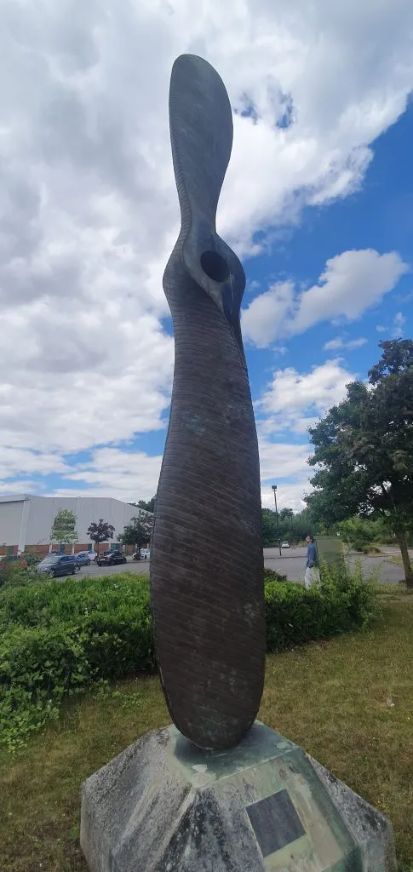
This is the former site of the Whitehead Aircraft Limited factories, where aircraft, notably Sopwith Pups and Airco DeHavilland D.H.9s, were made during WW1. Set up by John Alexander Whitehead in 1914, the firm operated throughout the war, though was declared bankrupt in 1919. Today, Russel House, headquarters of Russel Finex, world leaders in sieving technology, stands in its place.
The propeller sculpture was designed and constructed by William Peers to commemorate the former use of this site for the architecture and repair of aircraft in association with Hanworth Air Park.
Leisure West, Air Park Way, Feltham TW13 7LX
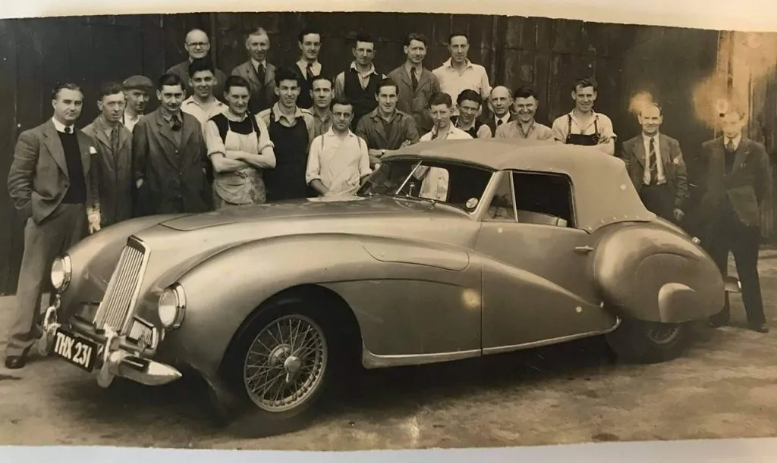
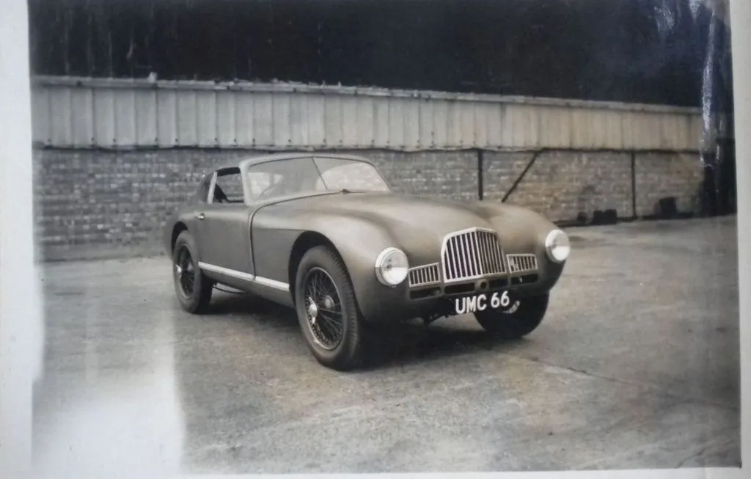
Aston Martin Motors Limited was an industrial leader throughout the 20th century. In 1926, they began producing cars at Victoria Road, Feltham and many classic Aston Martin designs, such as the DB3, were conceived here. The factories were demolished in the 1980s and stood where the Leisure West Complex now stands. Leisure West was also the site of manufacture of Feltham Tramcars.
Longford River is an artificial waterway, built in 1638 to supply water to Hampton Court Palace. It is an excellent place for nature-lovers, with plenty of walks and examples of flora and fauna, including Great Mullein flowers, goldfinches, and species of butterfly. One of Feltham’s windpumps used to stand here, though it was removed in the 1960s.
Blenheim Park is a great place to experience nature, with many walks and a lot of flora and fauna, including honeybees, hoverflies and Hawthorn trees. It is an open grassland with football pitches and a picnic area.
61 Fern Grove, Feltham TW14 9AY
Olympic Gold Medallist Sir Mo Farah trained at Feltham Running Track when he was a pupil at Feltham Community College. Today the track is open to the public and anyone can use it.
22 Gladstone Ave, Feltham TW14 9LL
Freddie Mercury moved into 22 Gladstone Avenue, Feltham, with his family in 1964, aged fourteen, and lived there on and off until 1970. He wrote music at home while studying for a Diploma in Graphic Art and Design at Ealing College.
Additional Points of Interest
Minimax Gate
A312, Feltham
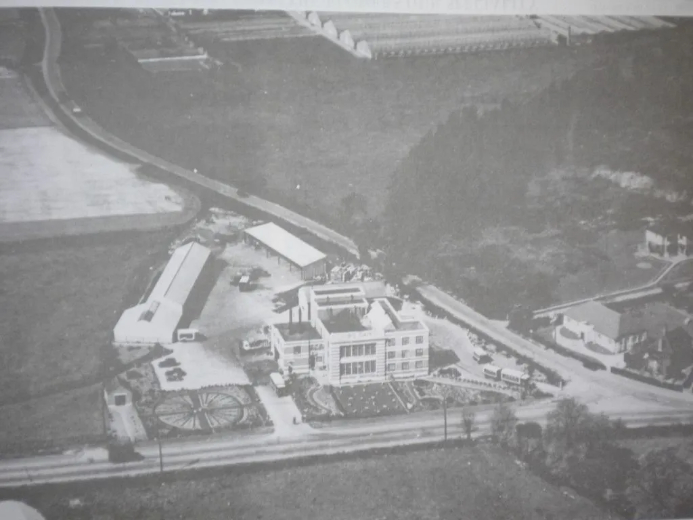
The gate is all that remains today of Minimax Limited’s factory for the manufacture of fire extinguishers. Minimax Ltd was a high profile company, producing unique conical fire extinguishers exported all over the world, from Argentina to Tasmania. The factory was built in 1911 and demolished in the 1980s, with the gate left as public art.
Feltham Marshalling Yard
Hereford Road, Feltham, TW13 5BS
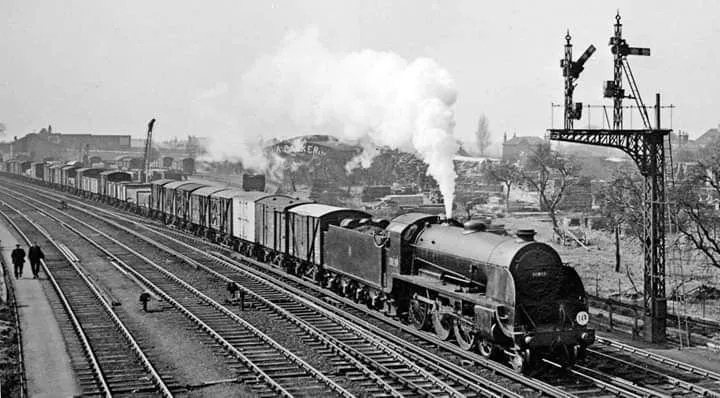
This was the site of the Feltham Marshalling Yard, built to manage freight wagons on the London and South Western Railway. Built in 1922 by German Prisoners of War, it was the largest Marshalling Yard in southern England, with 32 miles of track and sidings.
Archibald Montgomery Low and the First Drones
86 High Street, Feltham
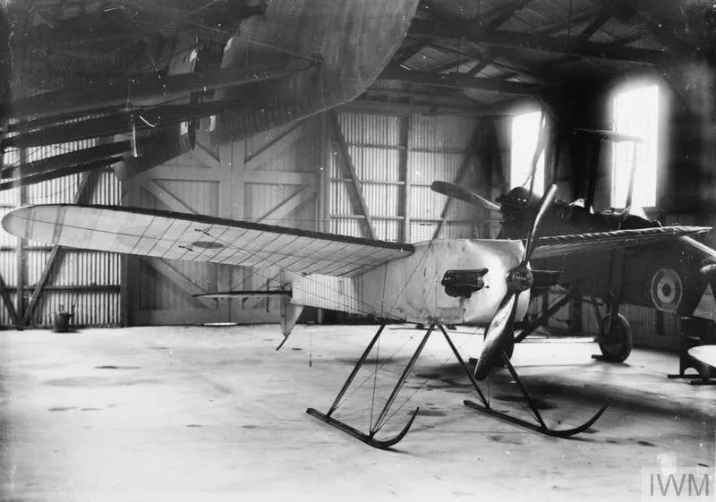
Today a supermarket, in 1918, 86 High Street was the location of the Royal Flying Corps’ secret Experimental Works. Here Archibald Low oversaw the production of the world’s first military drone, invented by Low in 1917. The ‘Aerial Target’ drones were never used in combat, but inspired further work on remote aircraft technology.
Veitch’s Nurseries
Bedfont Lane, Feltham
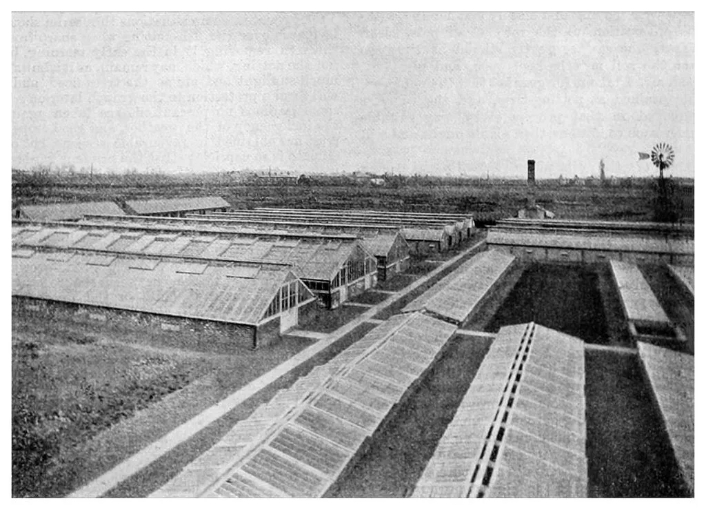
Bedfont Lane is the former site of one of the nurseries belonging to James Veitch and Sons. The Feltham branch was established by Sir Harry Veitch, an important 19th century horticulturist. The Veitch Nurseries sent plant collectors around the world to bring new species to the UK, and the Feltham nursery was a key site for Veitch’s propagation of orchids.
Union Construction Company and Feltham Trams
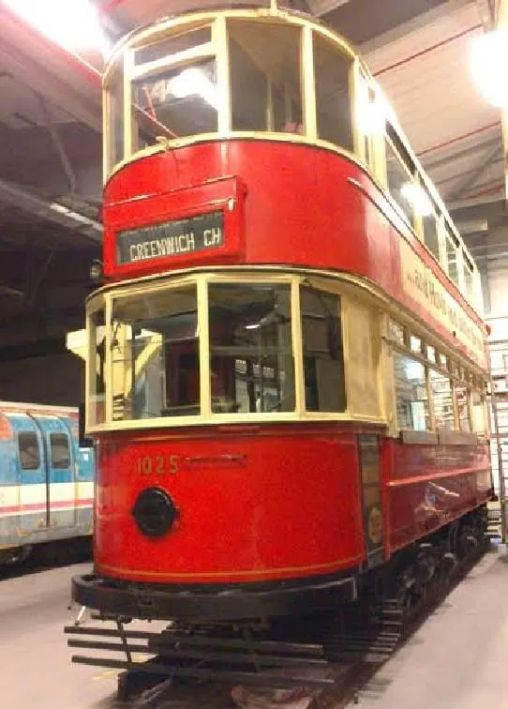
One hundred Feltham Trams were built in Feltham by the Union Construction Company. They ran throughout London between 1931 and 1951, but were phased out due to modernisation. Today only three remain, in museum collections.
Feltham From the Air
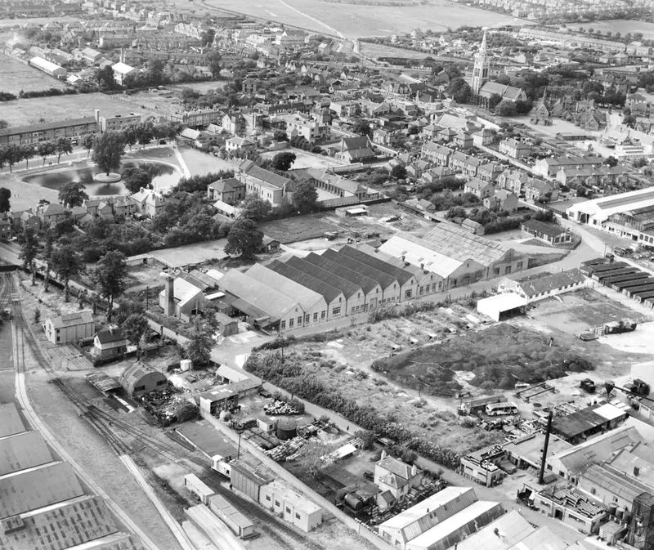
This photograph gives us a peek into history. This is what Feltham looked like in 1948.
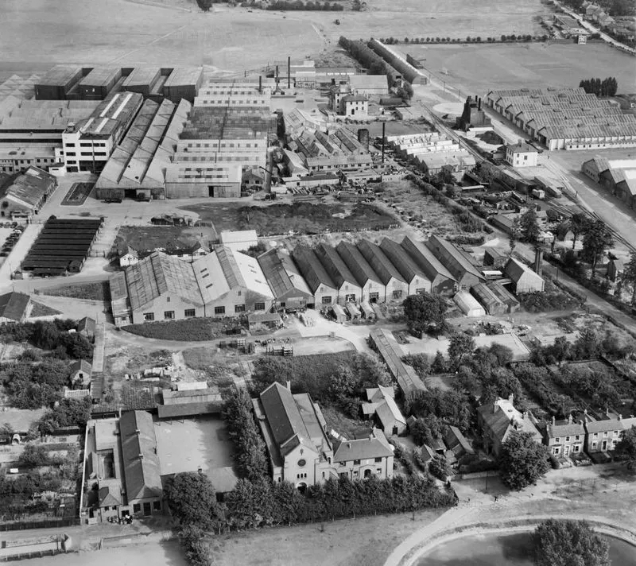
Image Credits
Historical Images: Angela Parton, Caradoc Doy
All other Images : Ekta Kaul
With Thanks to
Angela Parton, Alan Rice, Saffron Garside, Hanane Dauki & Feltham Arts, Adam Grounds and staff at Hounslow Archives, members of Feltham History Group.
Flora and fauna found locally flank the edges of the illustration: Pea- Feltham First-so-named for being first grown in the town, Green Alkanet, Great Mullein, Blackthorn, Hawthorn trees, White Campion flowers, Holly, bees, orange tip butterflies.
Source first hand research by the artist and Interview with Mike Dance about Flora and Fauna of the Feltham Area and his talk.